

5 Signs of Chronic Inflammation
From a Gastroenterologist (hopefully your doctor does not miss these!)

Your bloods came back normal. Your scan was clear. And still…something feels off.
It’s a common reason for someone seeing me in clinic.
After thousands of patients and thousands of procedures, I’ve learned the body shows early warning signs that something is off.
Obvious symptoms get investigated.
However, patients frequently tell me that quiet symptoms are dismissed.
These are five of the quiet signs I look for that hint at an upset gut.
One thing first. A symptom is not a diagnosis. It’s a clue. And one clue rarely solves the case.
You can check out my full Substack here
General Disclaimer: This is general advice, not personal medical advice. If something here worries you, please see your own doctor. New, severe, or persistent symptoms always deserve a proper set of eyes.
First…what actually is inflammation???
Inflammation is not always a bad thing! It’s usually a warning sign.
Sprain your ankle and it swells. Catch a bug and you spike a fever.
That’s acute inflammation…the immune system doing exactly its job. It’s important and allows us to rest and get better.
Chronic inflammation is the dinner partyy guest who won’t go home. Low-level, persistent, unnecessary. Humming away in the background for months or years.
A 2019 Nature Medicine review linked this silent, smouldering inflammation to heart disease, diabetes, autoimmune conditions and more. Quiet…but far from harmless.
1. Fatigue: tired after a full night’s sleep
You sleep eight hours. You wake up exhausted. Bloods normal. Stool tests normal. And you reach for a second coffee just to feel human.
Sound familiar?
Fatigue is one of the trickiest symptoms I deal with, because often there’s nothing obvious to point at. But absence of a finding is not absence of a cause.
The immune system itself can make you tired.
When Lasselin and colleagues gave healthy volunteers a harmless inflammatory trigger, the ones with the biggest rise in inflammatory messengers (cytokines) felt the most fatigue and sleepiness. The two moved together.
Here’s roughly how it works. A disrupted gut microbiome and a leaky, more permeable gut wall possibly creates a low-grade inflammatory state.
Those cytokines travel the gut-brain axis and disturb the brain. Chronic inflammation also flips on an enzyme called IDO, which diverts tryptophan away from serotonin. Less serotonin. More of that flat, foggy tiredness.
Worth noting…women appear more vulnerable to fatigue than men.
Tired doesn’t always mean a sleep problem. Sometimes it means an inflammation problem.
(I’m a big fan of coffee btw…read about it here

2. Brain fog: the word on the tip of your tongue
You can’t find the right word. You walk into a room and forget why you’re there.
You’ve been told it’s stress, or peri-menopause, or just life.
Maybe. But brain fog is real, and it has a potential biology.
Dantzer and colleagues described it years ago…low-grade inflammation and cytokines acting on the brain, producing what they named sickness behaviour.
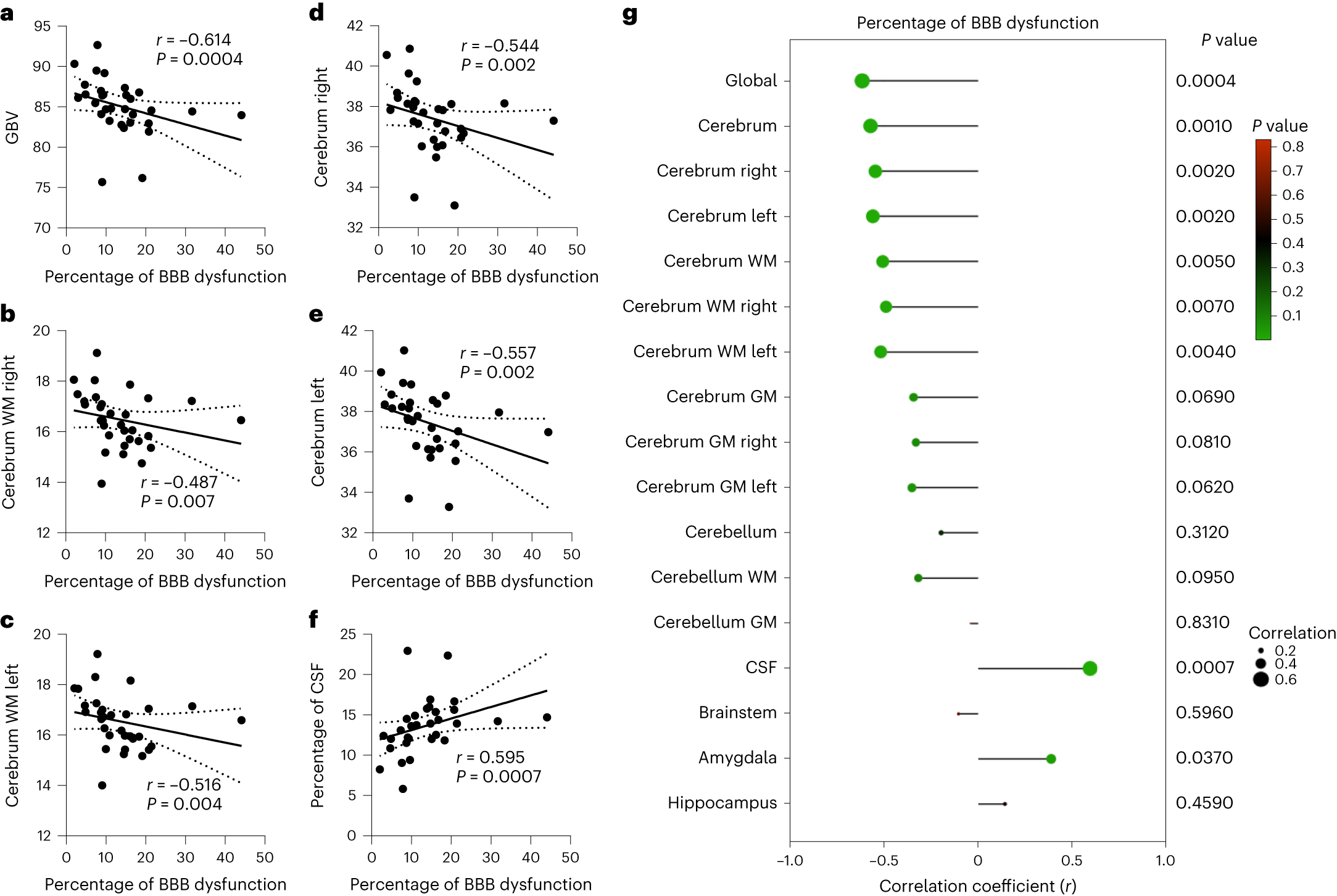
More recently, a 2024 Nature Neuroscience paper by Greene and colleagues used MRI to show something striking. In people with long covid and brain fog, the blood-brain barrier itself was leaking. Inflammation in the body, made visible in the brain.
You already know this feeling, even if you’ve never named it. Think of the heavy, foggy head after a nasty flu or a bout of gastroenteritis.
That’s your brain telling you to stop and rest. Useful for a week. A problem for a year.
And because the gut and brain never stop talking, inflammation in the gut wall can keep the fog switched on. This is why I go on…and on…about a clean diet. Repair the gut barrier and you help protect the brain.
3. Morning joint stiffness: the rusty hinge
A caveat first.
Prolonged morning stiffness can be a sign of genuine inflammatory arthritis.
If yours lasts more than 30 minutes, or comes with swollen, warm joints, please see a rheumatologist. Early treatment protects joints.
But there’s a milder version. Low-level stiffness, normal bloods, joints that feel rusty first thing and loosen as you move. Inflamed tissue stiffens overnight while you lie still, then eases once you get going.
Gut and joint inflammation are linked, and the same messengers keep showing up…particularly TNF-alpha and IL-6. Your joints and your gut may be talking more than you think.

4. Skin problems: the outside of an inside story
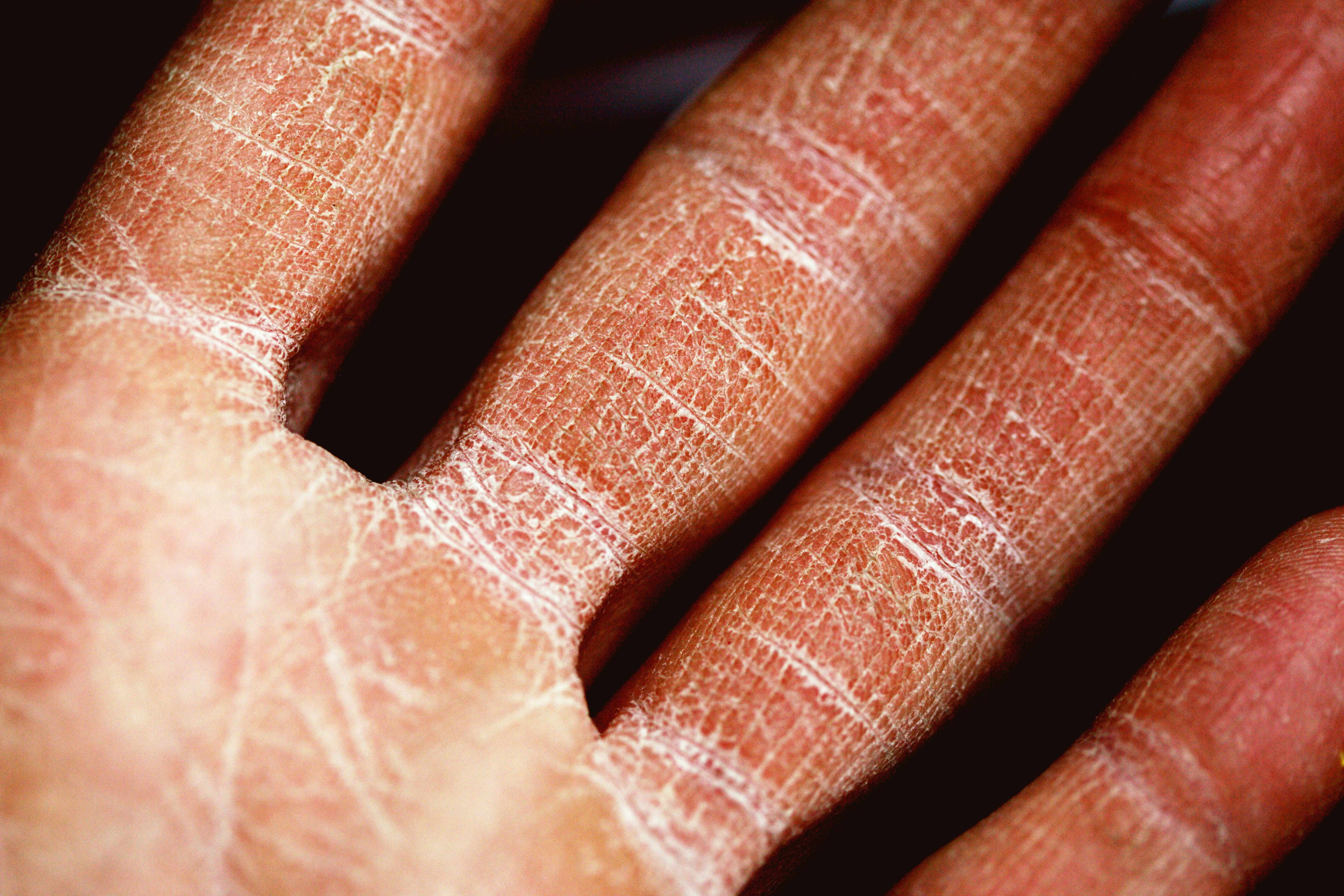
Eczema. Flushing. Adult acne that just won’t quit.
We reach for creams, and creams have their place. But a cream treats the surface. It rarely asks the better question…what’s driving this from within?
Maybe the gut-skin axis. Your gut microbiome is a major regulator of skin strength, barrier and renewal. When there is gut dysbiosis, the skin outside often shows it.
The evidence is strongest for eczema. In a landmark Lancet trial, a probiotic given to at-risk mothers and their babies roughly halved eczema by age two. Not a cream. A change in the gut.
5. Bloating: it’s rarely “just IBS”
I’ve written a lot about bloating, and I’ll keep saying it. What we casually label IBS is so much more…..
Underneath that word sits a mix of gut dysbiosis, low-grade inflammation, sluggish motility, and an immune system on a low simmer. In some people you can actually see it…more immune cells sitting in the gut lining. At heart, it’s a disorder of the gut immune system.
Occasional bloating after a big meal is normal. Daily bloating, after ordinary food, is not. Take it seriously.
Read my natural ways to tackle bloating here
If any of this resonates…
None of these signs is a diagnosis on its own. But together they sketch a picture. And it’s one I see often.
If this sounds like you, book a consultation and we’ll go through your story properly. And tell me in the comments…have I missed anything?
Struggling with liver or digestive issues that affect your daily life? Invest in your gut health with a private, personalised consultation where I will explore your specific symptoms and develop a targeted treatment plan. Take the first step toward digestive wellness today: https://bucksgastroenterology.co.uk/book-an-appointment/ (I offer both in person and video consultations!)
You can check out my full Substack here
References
Furman D, Campisi J, Verdin E, et al. Chronic inflammation in the etiology of disease across the life span. Nat Med. 2019;25(12):1822-1832.
Lasselin J, Karshikoff B, Axelsson J, et al. Fatigue and sleepiness responses to experimental inflammation and exploratory analysis of the effect of baseline inflammation in healthy humans. Brain Behav Immun. 2020;83:309-314.
The relationships among tryptophan, kynurenine, indoleamine 2,3-dioxygenase, depression and neuropsychological performance. Front Psychol. 2017;8:1811.
The demographic features of fatigue in the general population worldwide: a systematic review and meta-analysis. Front Public Health. 2023;11:1192121.
Dantzer R, O’Connor JC, Freund GG, Johnson RW, Kelley KW. From inflammation to sickness and depression: when the immune system subjugates the brain. Nat Rev Neurosci. 2008;9(1):46-56.
Greene C, Connolly R, Brennan D, et al. Blood-brain barrier disruption and sustained systemic inflammation in individuals with long COVID-associated cognitive impairment. Nat Neurosci. 2024;27(3):421-432.
Kelly JR, Kennedy PJ, Cryan JF, Dinan TG, Clarke G, Hyland NP. Breaking down the barriers: the gut microbiome, intestinal permeability and stress-related psychiatric disorders. Front Cell Neurosci. 2015;9:392.
The bridge of the gut-joint axis: gut microbial metabolites in rheumatoid arthritis. Front Immunol. 2022;13:1007610.
Kalliomäki M, Salminen S, Arvilommi H, Kero P, Koskinen P, Isolauri E. Probiotics in primary prevention of atopic disease: a randomised placebo-controlled trial. Lancet. 2001;357(9262):1076-1079.
Is irritable bowel syndrome an inflammatory disorder? Curr Gastroenterol Rep. 2008;10(4):349-355.
General Disclaimer
Please note that the opinions expressed here are those of Dr Hussenbux and do not necessarily reflect the positions of Buckinghamshire Healthcare NHS Trust. The advice is intended as general and should not be interpreted as personal clinical advice. If you have problems, please tell your healthcare professional, who will be able to help you. Thank you to the amazing photographers from Unsplash where I get most of my images from.
Thank you for making the connection between gut health and skin issues. I was having complexion problems for about 6 months before I ended up in the hospital with severe diverticulitis with peritonitis. One of the first things I noticed after surgery was that my complexion was clear.
This one we understood very well - great article :)