

Stuck in Transit
When your bowels book a different flight

You know the feeling.
Alarm at 4am. Morning flight.
You’d normally have your morning poo but you just….don’t need to go.
You’re not even hungry. Next thing, you’re on a plane.
An urge appears somewhere over Italy. But you are just NOT doing one on the plane. Absolutely not!!
You land. You’re bloated, tired and bunged up.
Welcome to travel constipation.
It’s incredibly common and almost nobody talks about it.
One study tracking long-haul flyers found that 40% developed constipation, with severity directly proportional to their jet lag.
A more recent prospective cohort study found that travellers experienced a median 6-hour delay in their first bowel movement, with the worst cases waiting nearly two full days….ouch!
Your bowels get a bit confused! Here’s what’s going on.
You can check out my full Substack here
Why it happens
It’s nuanced…there are a lot of factors.
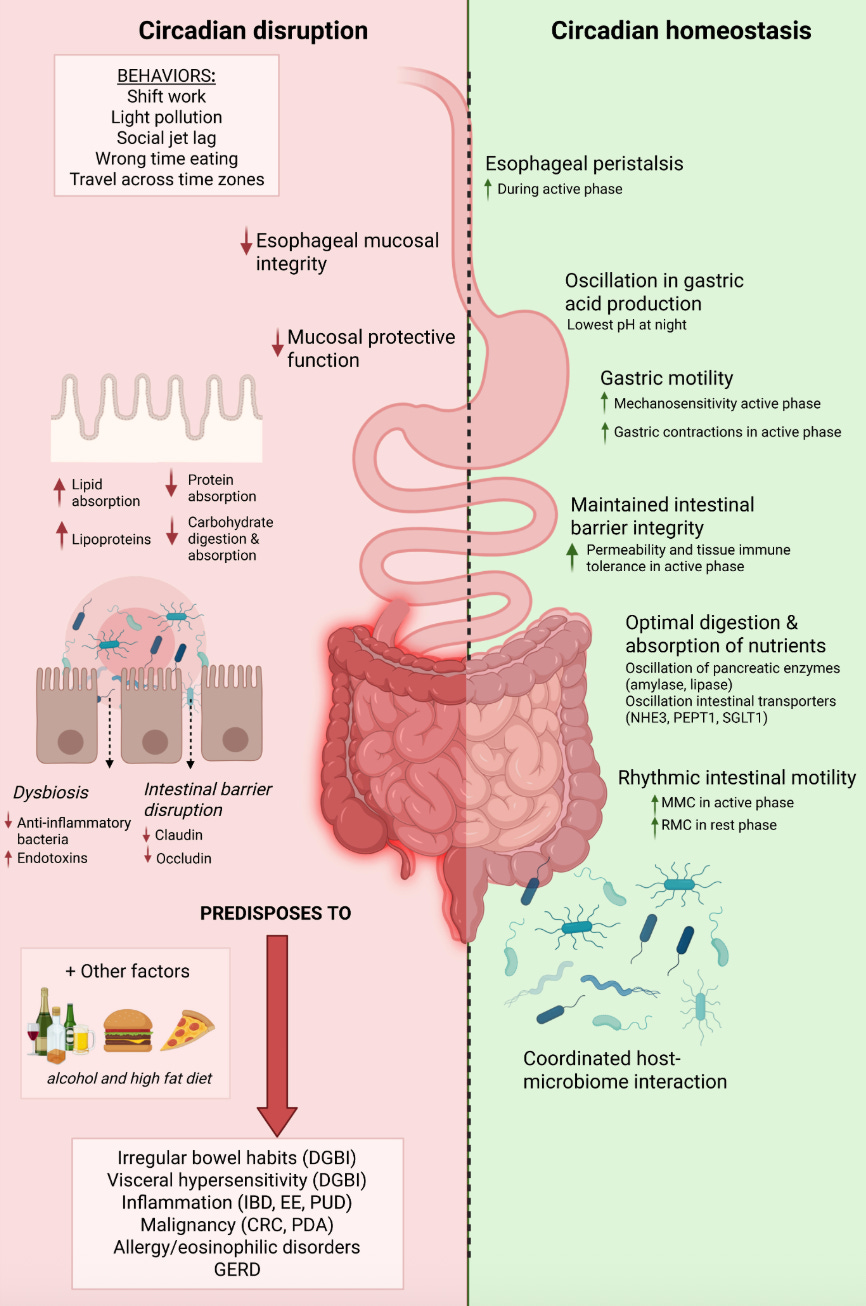
Your body clock falls out of sync - Your colon has its own circadian rhythm, driven by clock genes, tiny molecular timekeepers in the cells lining your gut wall.
They coordinate the big muscular waves that move stool along.
Cross a time zone and these contractions lose their rhythm. A 2025 review in Frontiers in Nutrition called this “gut jet lag.” Even shift workers (who obviously never leave the country) have higher rates of constipation from the same mechanism.
Your gut doesn’t know what time it is. So it does nothing.
You suppress the urge. Unfamiliar toilets. Aeroplane loos. Shared hotel bathrooms. We’ve all held it in. However, when you ignore the signal, stool gets pushed backwards by reverse peristalsis.
The colon absorbs more water from it. It becomes harder and drier. The urge fades. Over time, your rectum becomes less sensitive to the stretch that triggers the urge in the first place. You stop feeling the urge because you trained your body to stop urging.
Your diet changes. Fewer fruits. Fewer vegetables. More eating out. Less fibre. A meta-analysis of RCTs confirmed that dietary fibre significantly increases stool frequency so when it drops, things slow down.
You sit still for hours. Airports. Planes. Coaches. A 2024 systematic review found that meeting physical activity guidelines was associated with a 13% reduction in constipation risk. Prolonged sitting does the opposite.
Stress kicks in. Flight anxiety, unfamiliar beds, rushing through departures. Stress activates your sympathetic nervous system -“fight or flight” - which shifts your body away from “rest and digest.” Your colon slows. Your pelvic floor tightens. It’s physically harder to go.
And yes, planes are dry (cabin humidity sits at 10–20%). But the extra fluid loss on an 8-hour flight is only around 150ml!
That said, travellers commonly under-drink because of limited access to water and a reluctance to use the loo at 35,000 feet. Staying hydrated is sensible….but don’t expect water alone to fix things. The evidence for fluid without adequate fibre is surprisingly weak.

How to fix it
Let’s talk solutions!
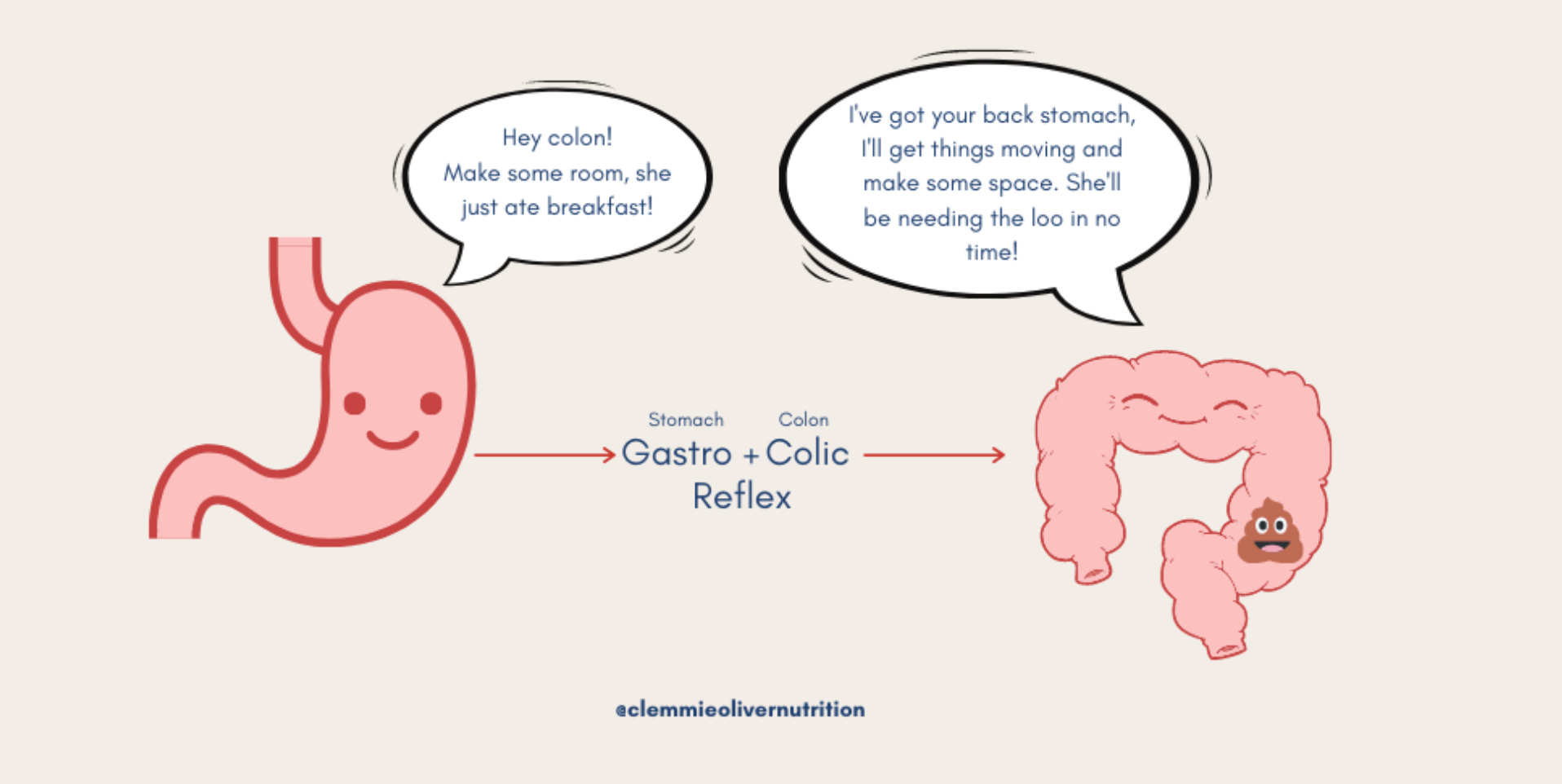
Use the gastrocolic reflex. This is your secret weapon. When food stretches your stomach, it triggers increased colonic motility through hormones like cholecystokinin and serotonin. It kicks in within 15 minutes of eating and it’s strongest in the morning.
So: eat breakfast. Even on travel days. Don’t skip it. Even if you need to get up super early. Read my breakfast guide here
Then add coffee. A study found that caffeinated coffee stimulated colonic motor activity 60% more than water and with a magnitude similar to eating a full meal.
Another study showed coffee induced a desire to defecate in 29% of participants within 4 minutes.
The morning formula: wake up, eat, drink coffee, give yourself 20 unhurried minutes near a toilet.
Pack some prunes. I know. Very glamorous but the evidence is impressive.
In a randomised crossover trial, 100g of dried plums daily increased complete spontaneous bowel movements from 1.7 to 3.5 per week….. significantly more than psyllium
Prunes are a triple threat: sorbitol draws water into your gut like a gentle osmotic laxative, fibre adds bulk, and polyphenols may stimulate intestinal secretion. Six to twelve prunes a day. Easy to pack. Shelf-stable.
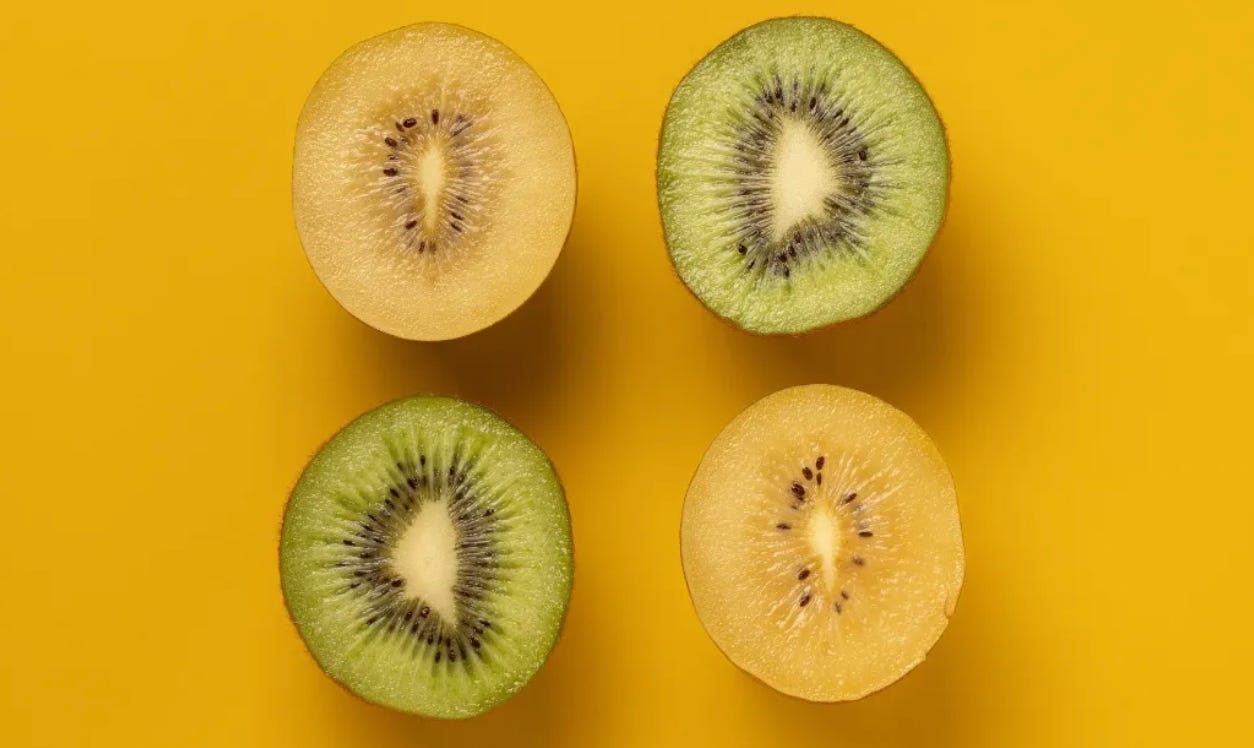
Eat two kiwis a day. A large multicentre RCT across three countries found that two green kiwifruits daily produced significantly more complete bowel movements than psyllium and improved overall gut comfort.
Kiwifruit contains actinidin (an enzyme that aids digestion) and has extraordinary water-holding capacity in its cell walls. Think of a tiny sponge, keeping your stool soft and bulky. It’s also low FODMAP…gentler on sensitive stomachs than prunes.
Buy when you land. Two a day. With the skin on if you’re brave enough.
Consider psyllium husk. The unglamorous workhorse. A meta-analysis of 16 RCTs found it was the most effective fibre type, adding roughly 3 extra bowel movements per week, as effective as some laxatives. It forms a viscous gel that traps water and creates softer, larger stools. At least 10g per day, always with plenty of water. Boring….but effective.
Figs work too. A randomised, double-blind, placebo-controlled trial found that fig paste significantly reduced colon transit time and improved stool consistency over 8 weeks. Fresh or dried, they stimulate mucin production in the colon; a slippery substance that helps things move along.
If food isn’t enough, use macrogol. The AGA–ACG 2023 Clinical Practice Guideline gives it a strong recommendation, and a meta-analysis found a number needed to treat of just 3. It simply holds water in the bowel through osmosis. No cramps. No urgency. Predictable. It comes in portable sachets you dissolve in water.
Why not a stimulant laxative like senna? Cramping, urgency and unpredictable timing…exactly what you don’t want on a plane or coach tour.
Not the most exciting thing in your suitcase….
A few more tricks
Don’t hold it in. When the urge comes JUST GO. Every delay makes the cycle worse. Yes it may not be a toilet you are completely comfortable with…but afterwards you (likely) won’t regret it.
Elevate your feet. A study found that squatting reduced time to bowel emptying to just 51 seconds versus 130 on a standard toilet. A footstool helps. So does a suitcase.
Gentle abdominal massage. A meta-analysis of 23 studies found that clockwise abdominal massage increased bowel movements by 1.6 per week and reduced gut transit time by over 21 hours. Few caveats though….I think a one off massage is unlikely to do much.
Stay active. Walk during layovers. Take the stairs. Even light movement helps.
The travel checklist
Before your next trip, consider packing:
🟤 Prunes or dried figs (a small bag goes a long way)
🟢 Kiwifruit (buy when you land)
🟡 Psyllium husk sachets (lightweight, effective)
⚪ Macrogol sachets (your reliable backup)
☕ A plan to eat breakfast, drink coffee, and allow unhurried morning toilet time
Travel constipation isn’t dangerous. But it is miserable.
The bloating, the discomfort, the quiet frustration on what should be a good trip.
Most of the solutions are simple. Hopefully you now have a game plan!
If you enjoyed this article check out my Substack here
Struggling with liver or digestive issues that affect your daily life? Invest in your gut health with a private, personalised consultation where I will explore your specific symptoms and develop a targeted treatment plan. Take the first step toward digestive wellness today: https://bucksgastroenterology.co.uk/contact/ (I offer both in person and video consultations!)
References
Mearin F, Zárate N, Sardi JA, et al. Traveler’s constipation. Am J Gastroenterol. 2003;98(2):507–509.
Hansen SB, Reistrup H, Rosenberg J, Fonnes S. Traveler’s constipation: a prospective cohort study. J Clin Med Res. 2024;5(3):1–8.
Duboc H, Coffin B, Siproudhis L. Disruption of circadian rhythms and gut motility. J Clin Gastroenterol. 2020;54(5):405–414.
Nojkov B, et al. The impact of rotating shift work on the prevalence of IBS in nurses. Am J Gastroenterol. 2010;105(4):842–847.
Rao SSC, Rattanakovit K, Patcharatrakul T. Diagnosis and management of chronic constipation in adults. Nat Rev Gastroenterol Hepatol. 2016;13(5):295–305.
Yang J, Wang HP, Zhou L, Xu CF. Effect of dietary fiber on constipation: a meta-analysis. World J Gastroenterol. 2012;18(48):7378–7383.
Huang J, et al. Physical activity and constipation: a systematic review of cohort studies. J Glob Health. 2024;14:04197.
Li Y, et al. The association between constipation and anxiety: a cross-sectional study and Mendelian randomization analysis. Front Psychiatry. 2025.
UK Civil Aviation Authority. Physiology of flight — guidance for health professionals. Available at: caa.co.uk.
Jamshed N, et al. Chronic constipation: an evidence-based review. J Am Board Fam Med. 2011;24(4):436–451.
Rao SSC, et al. Physiology, gastrocolic reflex. StatPearls. 2023.
Rao SSC, Welcher K, Zimmerman B, Stumbo P. Is coffee a colonic stimulant? Eur J Gastroenterol Hepatol. 1998;10(2):113–118.
Brown SR, Cann PA, Read NW. Effect of coffee on distal colon function. Gut. 1990;31(4):450–453.
Attaluri A, Donahoe R, Valestin J, et al. Randomised clinical trial: dried plums (prunes) vs. psyllium for constipation. Aliment Pharmacol Ther. 2011;33(7):822–828.
Gearry R, Fukudo S, Barbara G, et al. Consumption of 2 green kiwifruits daily improves constipation and abdominal comfort. Am J Gastroenterol. 2023;118(6):1058–1068.
Chey SW, Chey WD, Jackson K, Eswaran S. Exploratory comparative effectiveness trial of green kiwifruit, psyllium, or prunes in US patients with chronic constipation. Am J Gastroenterol. 2021;116(6):1304–1312.
Van der Schoot A, Drysdale C, Whelan K, Dimidi E. The effect of fiber supplementation on chronic constipation in adults: an updated systematic review and meta-analysis of RCTs. Am J Clin Nutr. 2022;116(4):953–969.
Baek HI, Ha KC, Kim HM, et al. Randomized, double-blind, placebo-controlled trial of Ficus carica paste for the management of functional constipation. Asia Pac J Clin Nutr. 2016;25(3):487–496.
Chang L, Chey WD, Imdad A, et al. AGA–ACG clinical practice guideline: pharmacological management of chronic idiopathic constipation. Gastroenterology. 2023;164(7):1086–1106.
Belsey JD, et al. Systematic review and meta-analysis: polyethylene glycol in adults with non-organic constipation. Int J Clin Pract. 2010;64(7):944–955.
Sikirov D. Comparison of straining during defecation in three positions. Dig Dis Sci. 2003;48:1201–1205.
Systematic review and meta-analysis: abdominal massage for constipation. Int J Nurs Stud. 2024.
General Disclaimer
Please note that the opinions expressed here are those of Dr Hussenbux and do not necessarily reflect the positions of Buckinghamshire Healthcare NHS Trust. The advice is intended as general and should not be interpreted as personal clinical advice. If you have problems, please tell your healthcare professional, who will be able to help you. Thank you to the amazing photographers from Unsplash where I get most of my images from.
Good stuff agajn..
Just another of the joys of air travel. The spacious facilities on board would be comfortable for a gerbil, perhaps, but not for a human. I suspect that this causes many passengers to go into lockdown. Well done!