

My ULTIMATE Breakfast Guide
Start the day right

Aaah the modern day breakfast.
A jam pastry grabbed on the way out. Sugary cereal inhaled over the sink.
Coffee on an empty stomach, followed by nothing until noon.
Low protein. Low fibre. Ultra-processed. A recipe for insulin spikes, mid-morning crashes/snacking, and a gut that never quite wakes up.
How did we even get here?
Decades of marketing convinced us that breakfast should come from a box.
I could write a whole article about the marketing and branding of Kellogg’s cereals (advertising genius!)
The NIH ran a landmark trial: people eating ultra-processed diets consumed 500 extra calories daily, without realising it, and gained nearly a kilogram in just two weeks. The texture was soft. They ate faster and satiety signals don’t kick in.
Breakfast sets the metabolic tone for your entire day. Get it right, and everything downstream benefits.
Here’s what works for me.
1. Bread: Choose wisely
Bread has a bad reputation. Mostly deserved.
Industrial loaves are ultra-processed, high-glycaemic, and stripped of nutrients. They spike your blood sugar fast, then drop it faster.
But not all bread is created equal.
Sourdough and artisanal breads undergo slow fermentation. The organic acids produced, lactic and acetic, slow starch digestion. A meta-analysis of 18 studies found sourdough consumption lowered blood glucose at 60 minutes compared to conventional bread. Modest benefits, but real ones.
If you’re going to eat bread, make it count. Dense. Chewy. Preferably whole wheat. The kind that requires actual effort to slice.

2. Coffee: A love letter (with conditions)
I’m a big fan of coffee….I have a cup every morning.
But on an empty stomach? For some people, it’s asking for trouble.
Coffee stimulates gastric acid secretion. Without food to buffer it, you might feel the burn……heartburn, nausea, that gnawing discomfort. If this sounds familiar, try having your coffee with breakfast rather than before it.
Here’s something more interesting though.
Hot drinks (think a cup of tea) stimulate something called the gastro-colic reflex….your body’s ‘make room for more’ response. When food or drink stretches the stomach, signals fire to your colon: time to move things along. Electrical activity in the large intestine spikes within 15 minutes of eating.
And here’s the key: this reflex is strongest in the morning.
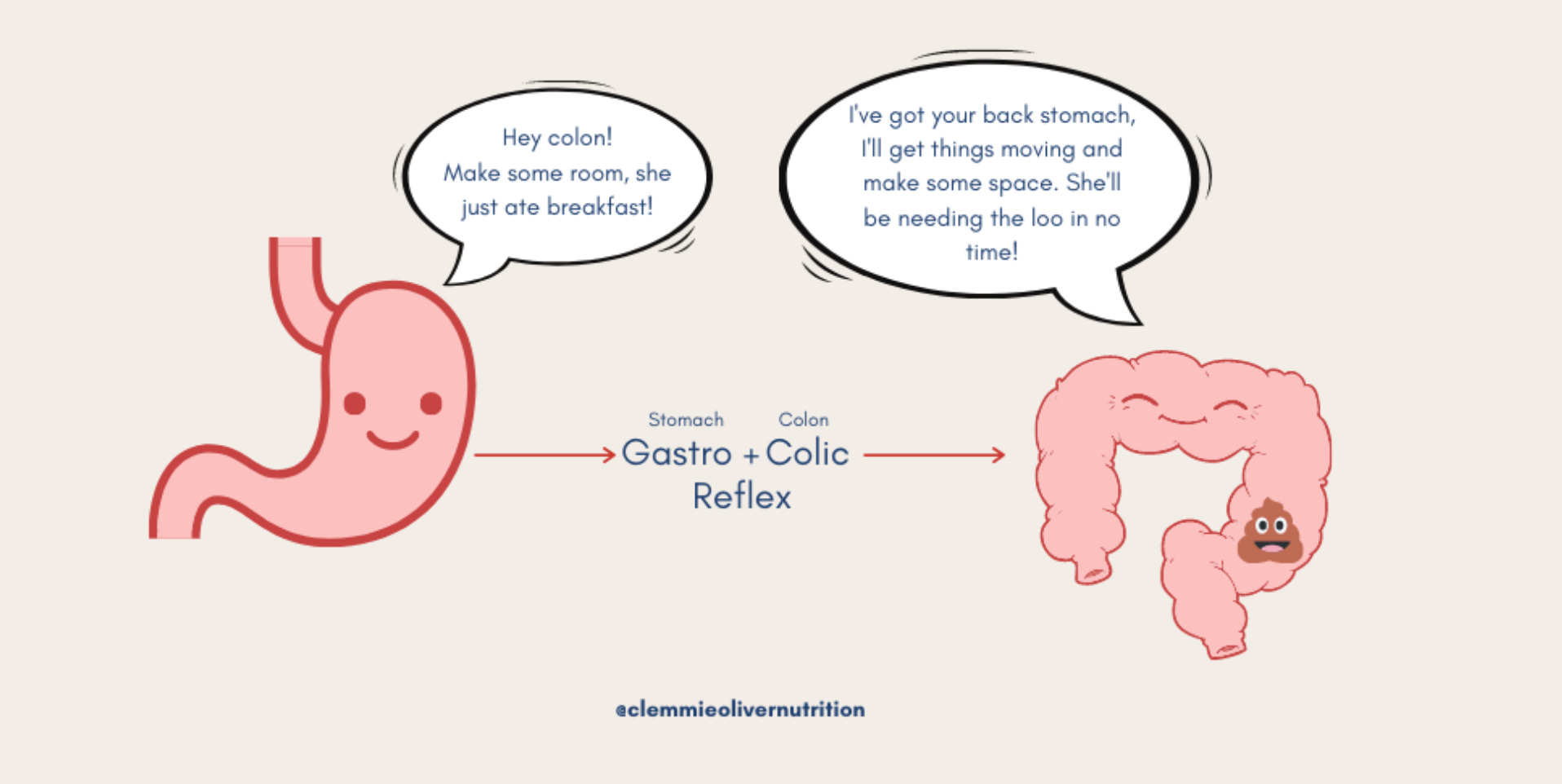
It’s part of the gut-brain axis…the bidirectional highway between your brain and your 500 million gut neurones (yes, you have a ‘second brain’ down there). The vagus nerve controls this conversation, activating during relaxation to stimulate bowel motility.
A warm drink with breakfast. A few minutes on the toilet afterwards. It’s a routine that gets you filled….and cleared out at the same time!
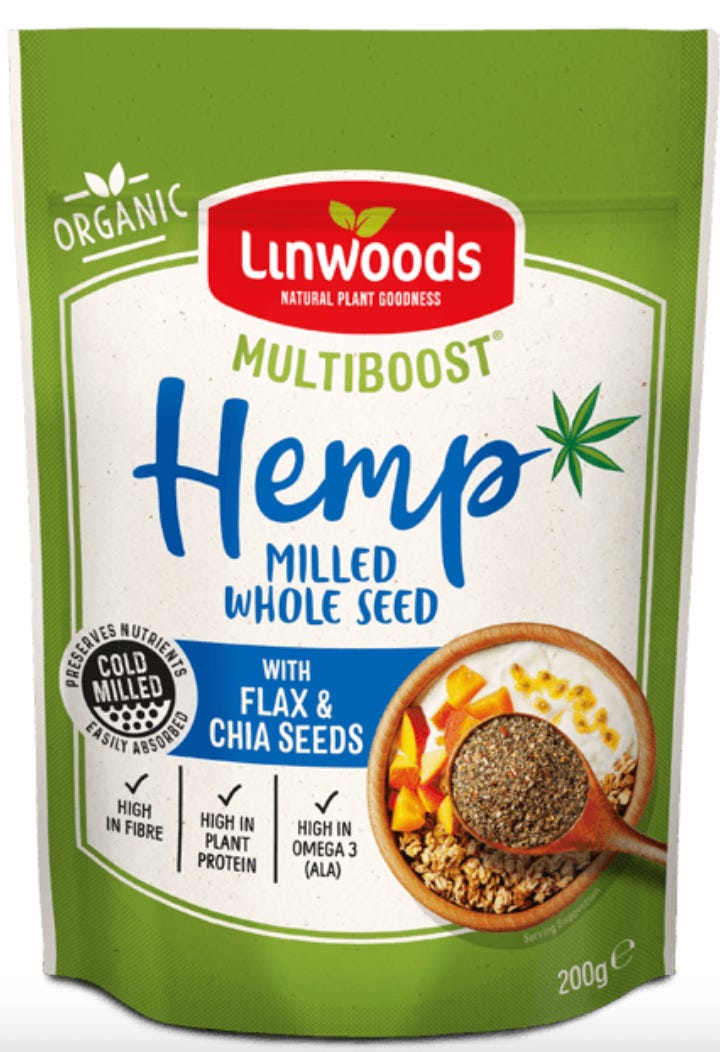
3. Seeds: Small but mighty….make it your staple!
Flaxseeds. These are fibre powerhouses. Around 25-40% total fibre, plus they’re the richest food source of lignans…plant compounds that feed your gut bacteria.
An RCT compared 50g of ground flaxseed daily against lactulose (a standard laxative) in patients with functional constipation. Flaxseed won. Bowel movements increased from twice weekly to daily. The constipation score nearly halved.
A seed beating a pharmaceutical. I love that.
One catch: grind them. Whole flaxseeds can pass straight through.
Chia seeds. These absorb 10-12 times their weight in water, forming a gel-like mucilage. This expands in your stomach, increasing volume, prolonging fullness.
Soak them. The mucilage is the magic. An RCT found chia as a mid-morning snack reduced hunger, increased satiety, and reduced energy intake at lunch. They’re also a complete protein, containing all nine essential amino acids.
Sprinkle either on yoghurt, porridge, or blend into a smoothie. Simple. Effective. Science-backed.
4. Fruit: The complete no-brainer
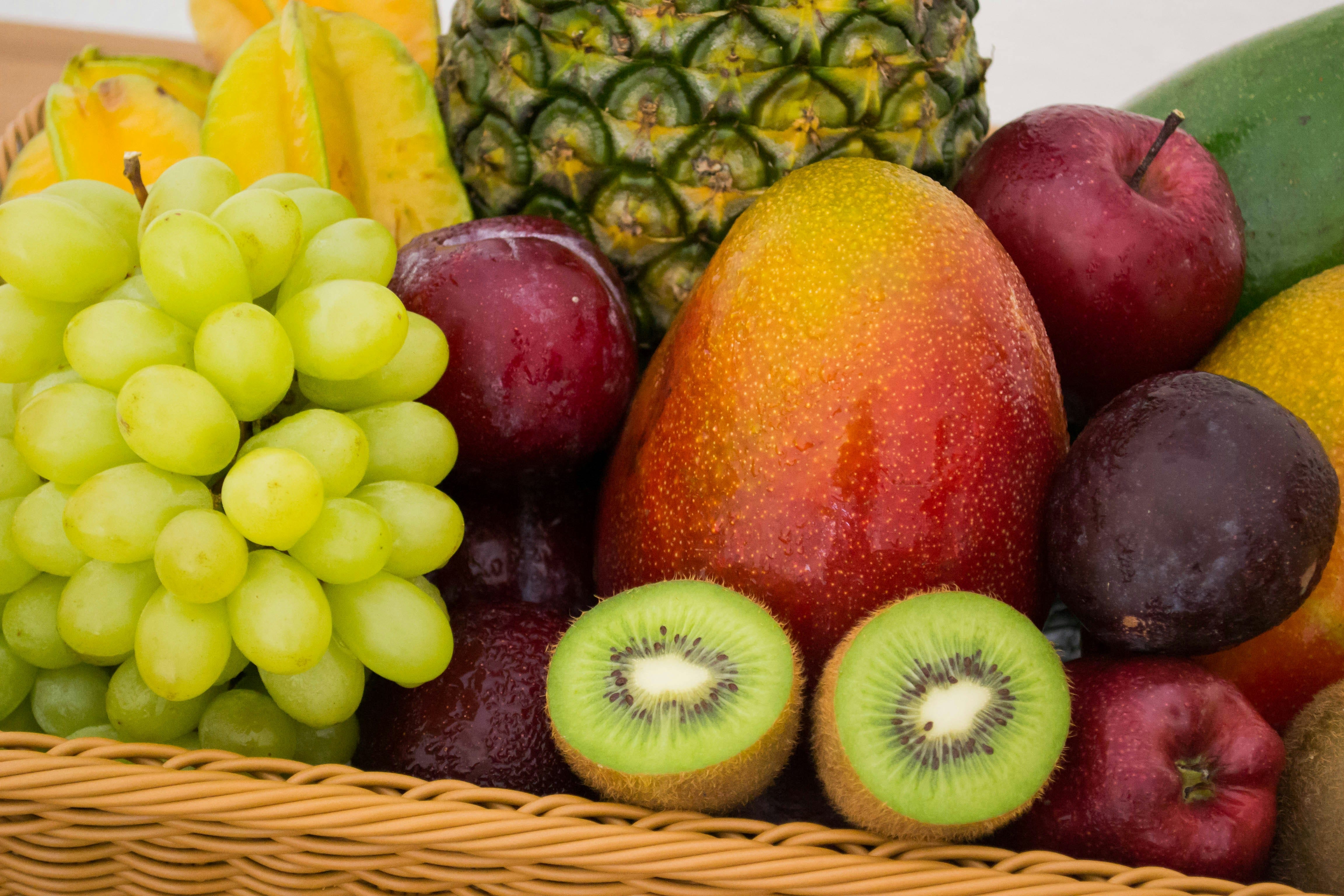
Bananas. Particularly the less ripe ones. Green bananas contain resistant starch…starch that resists digestion in the small intestine and reaches the colon intact. There, your gut bacteria ferment it into short-chain fatty acids, especially butyrate. Butyrate is the primary fuel for your colon cells. It maintains your gut barrier.
A 12-week RCT in adults with chronic constipation found resistant starch significantly increased beneficial bacteria (Bifidobacterium, Prevotella, Akkermansia) and improved bowel regularity. Eighty percent achieved four or more movements weekly.
As bananas ripen, that resistant starch converts to sugar. So: slightly green beats spotty yellow for gut benefits. But spotty yellow is still fine with net benefits!
Blueberries. These are packed with polyphenols. Anthocyanins give them that deep purple hue and most of these compounds aren’t absorbed in your small intestine. They travel to your colon, where they feed beneficial bacteria.
The BEACTIVE trial found 12 weeks of daily blueberry consumption enriched bacteria that specialise in metabolising these very polyphenols. A beautiful feedback loop: you feed them, they feed you.
5. Nuts: Fibre, protein, and proven prebiotics
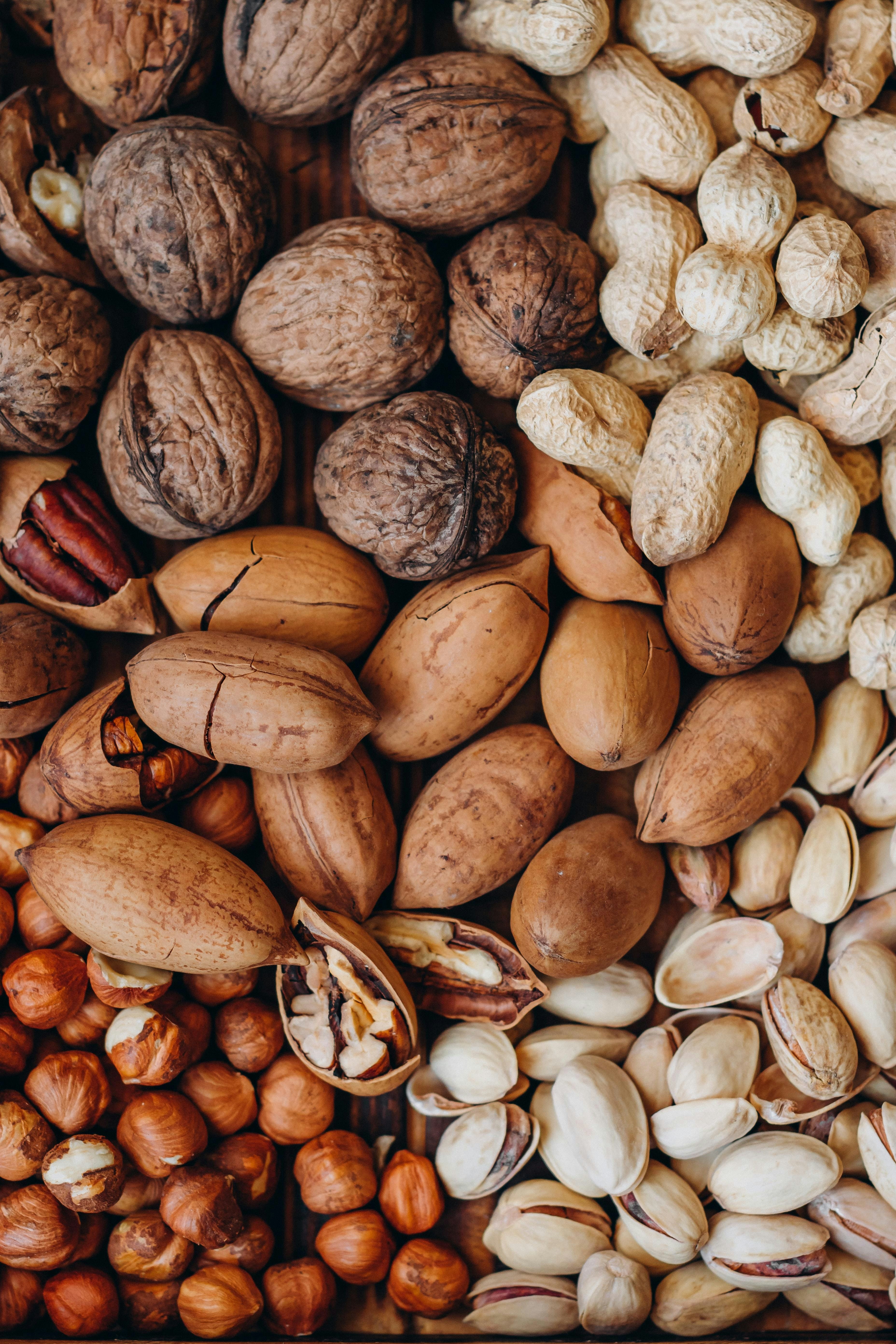
Almonds are the standout here. A 4-week RCT published in the American Journal of Clinical Nutrition found that 56g of almonds daily increased faecal butyrate by 32%.
Another trial in college students showed almonds halved levels of pathogenic Bacteroides fragilis while boosting microbiome diversity.
Pecans show promise in preclinical studies, but human trials are limited. Almonds have the evidence.
A small handful gives you 4g of fibre and 6g of protein. Satisfying and portable. And despite what you might think, nut consumption isn’t associated with weight gain. You will find your satiety hormones will kick in quick!
6. Protein: The anchor of a good breakfast
This is the non-negotiable (I feel like I have used this word too many times!)
Eggs are my go-to. An RCT comparing an egg breakfast (25g protein) to cereal (11g protein) found participants ate 17% less at lunch after the eggs. And the effect persisted…reduced energy intake for up to 36 hours.
An fMRI study showed high-protein breakfasts reduced brain activation in reward regions before dinner. Translation: fewer cravings, less snacking, better control.
Make an omelette. Add onions, tomatoes, coriander. A pinch of cajun spice. Black pepper. Takes five minutes. Changes everything. Tastes great too.
Not a fan of eggs? Smoked salmon works beautifully. Chickpeas too….mash them with lemon, olive oil, and za’atar for a quick protein-rich spread.

The payoff
A breakfast built on protein, fibre, and whole foods does three things:
It keeps you genuinely full. No mid-morning vending machine visits.
It stabilises blood sugar. Slow release, not spikes and crashes.
It feeds your gut microbiome. Every morning, you’re building on your beneficial bacteria. Fibre ferments into short-chain fatty acids. Polyphenols nourish. Diversity flourishes.
Put the cereal and pastries down and make some simple changes today!
You don’t need to overhaul everything. Start with one simple change and make it routine.
Struggling with liver or digestive issues that affect your daily life? Invest in your gut health with a private, personalised consultation where I will explore your specific symptoms and develop a targeted treatment plan. Take the first step toward digestive wellness today: https://bucksgastroenterology.co.uk/contact/ (I offer both in person and video consultations!)
References
Hall KD, et al. Ultra-Processed Diets Cause Excess Calorie Intake and Weight Gain: An Inpatient Randomized Controlled Trial of Ad Libitum Food Intake. Cell Metabolism. 2019;30(1):67-77.
Scazzina F, et al. Sourdough bread and blood glucose response: a systematic review and meta-analysis of clinical trials. British Journal of Nutrition. 2022.
Malone JC, Thavamani A. Physiology, Gastrocolic Reflex. StatPearls. 2023.
Brown SR, et al. Effect of coffee on distal colon function. Gut. 1990;31(4):450-453.
Hanif Palla A, Gilani AH. Dual effectiveness of Flaxseed in constipation and diarrhea: possible mechanism. Journal of Ethnopharmacology. 2015.
Xu J, et al. Flaxseed flour versus lactulose in the treatment of chronic functional constipation: a randomized controlled trial. BMC Gastroenterology. 2020.
Ayaz A, et al. Chia seed (Salvia hispanica L.) added yogurt reduces short-term food intake and increases satiety. Nutrition Research and Practice. 2017.
Bodinham CL, et al. Resistant starch increases fecal butyrate and modulates gut microbiota in adults with chronic constipation. Nature Scientific Reports. 2024.
Neto JV, et al. BEACTIVE Trial: Effects of blueberry consumption on gut microbiota in older adults. Nutrients. 2025.
Dhillon J, et al. Almond consumption increases fecal butyrate concentrations: a randomized controlled trial. American Journal of Clinical Nutrition. 2022.
Keogh JB, Clifton PM. Energy Intake and Satiety Responses of Eggs for Breakfast in Overweight and Obese Adults. International Journal of Environmental Research and Public Health. 2020.
Vander Wal JS, et al. Egg breakfast enhances weight loss. International Journal of Obesity. 2008.
Leidy HJ, et al. Beneficial effects of a higher-protein breakfast on the appetitive, hormonal, and neural signals controlling energy intake regulation. American Journal of Clinical Nutrition. 2013.
Bonnema AL, et al. The effects of egg and fiber on appetite, glycemic response and food intake in normal weight adults. International Journal of Food Sciences and Nutrition. 2016.
Zhao L, et al. Gut bacteria selectively promoted by dietary fibers alleviate type 2 diabetes. Science. 2018;359(6380):1151-1156.
General Disclaimer
Please note that the opinions expressed here are those of Dr Hussenbux and do not necessarily reflect the positions of Buckinghamshire Healthcare NHS Trust. The advice is intended as general and should not be interpreted as personal clinical advice. If you have problems, please tell your healthcare professional, who will be able to help you. Thank you to the amazing photographers from Unsplash where I get most of my images from.
So interesting, thanks for this. Is porridge a good thing to eat for breakfast? I add nuts and dried fruit to mine, with honey to sweeten.
I'm picky at breakfast but lately I've been making lentils for my protein. Since I already cook too many other things every week, I make them super simple with just salt, pepper, and a few other dry seasonings, plus a smidgen of olive oil and some apple cider vinegar for brightness. I cook these on Sunday and eat them six days a week!