

Travellers' Diarrhoea - A Gastroenterologist's Guide
Before you load up on loperamide, read this!

Aah. We have all been there.
The holiday was perfect. The street food….even better!!
And then, somewhere between the third day and the night bus, your gut responds to the “fresh” street tortilla wrap you polished from the local food vendor.
So what do you do?
Load up on loperamide? Live on white bread and bananas? Raid the pharmacy for antibiotics “just in case”?
Most of what people do is wrong. Some of it is harmful.
Here is what you actually need to know.
General Disclaimer: This is general information, not personal medical advice. If you are unwell, please speak to a healthcare professional who can assess you properly.
You can check out my full Substack here
What actually is it?
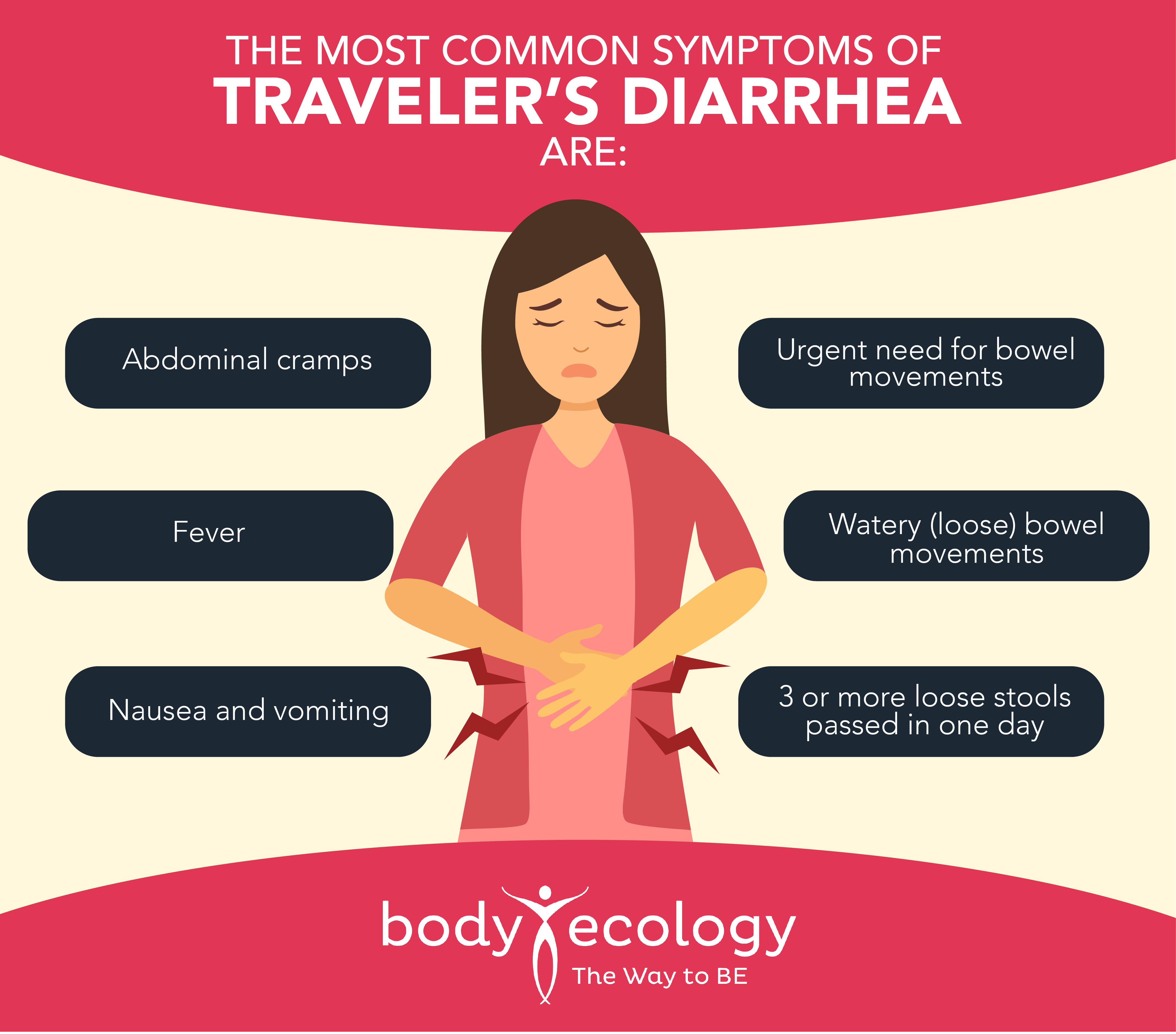
Travellers’ diarrhoea is the most common illness picked up abroad.
Up to half of people heading to higher-risk regions of Asia, Africa, Latin America and the Middle East will get it…usually within the first week.
The definition doctors use is simple: three or more loose stools in 24 hours, plus at least one other symptom. Cramps. Nausea. Bloating. Urgency. Sometimes a low fever.
The kind of urgency that makes you memorise the location of every toilet between you and the hotel.
It is unpleasant. It is rarely dangerous.
Most travellers’ diarrhoea is self-limiting, which means it clears on its own.
Typical attacks last three to four days, and the vast majority settle within a week. Your body is already doing the work.
What causes it?
Blame the bugs, not the spice!!!
The overwhelming majority of cases are bacterial.
The headline culprit is enterotoxigenic E. coli (ETEC), responsible for roughly a third of cases. It releases toxins that hijack your gut lining and pour fluid into the bowel.
Hence the watery, urgent, relentless nature of the whole affair.
After ETEC come the usual suspects: Campylobacter, Shigella and Salmonella.
These tend to be the nastier ones, more likely to bring fever and blood.
Viruses can cause symptoms too, and norovirus is the big one.
It is fast, miserable and famously efficient at sweeping through cruise ships and resorts.
Parasites like Giardia cause a smaller slice, roughly one in ten, and they are the troublemakers behind diarrhoea that drags on for weeks rather than days.
The route in is almost always the same. Contaminated food or water.
The faecal-oral route, to give it its unglamorous name.
That salad rinsed in tap water. That ice in your drink. I could go on!
3. Red flags: when to stop self-treating
Most of the time, you can manage this yourself. Sometimes you should not.
See a doctor if you notice any of the following:
Blood in the stool. This points toward an invasive infection rather than a simple upset, and it changes the whole approach.
A high fever, particularly above 38.5°C.
Signs of significant dehydration: dizziness on standing, a dry mouth, passing little or no urine, deep fatigue.
Diarrhoea that persists beyond 14 days. Lingering symptoms raise the question of a parasite or an inflammatory cause
Severe, unrelenting abdominal pain that does not ease between episodes.
And lower your threshold to seek help if you are very young, elderly, pregnant, or immunocompromised!
4. What to actually do (and the myths to drop)
First, hydration. Always hydration.
You are losing fluid and salts faster than you can casually sip them back. Water alone does not cut it, because water without salt and sugar is poorly absorbed by an inflamed gut.
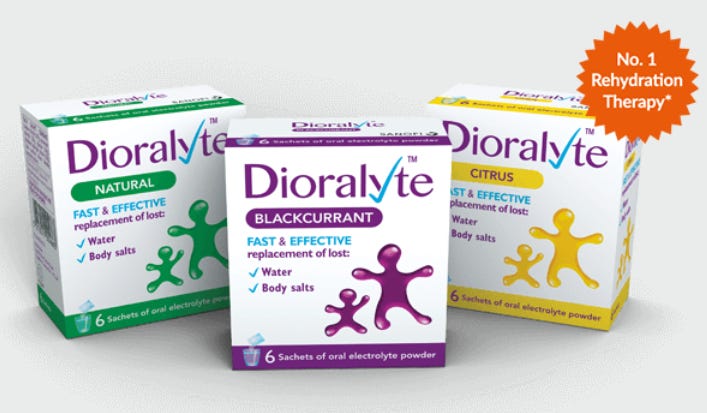
This is where oral rehydration solution (ORS) earns its keep.
The salt-and-glucose combination opens a clever co-transport channel in the bowel wall, pulling water across with it. It is one of the most evidence-backed interventions in all of medicine, and it is recommended as first-line therapy by international guidelines.
You can buy ORS sachets at any pharmacy abroad. In a pinch, you can approximate one with half a teaspoon of salt and six level teaspoons of sugar in a litre of clean water. For mild cases, a sports drink and a salty snack will do.
Second, loperamide. The right way.
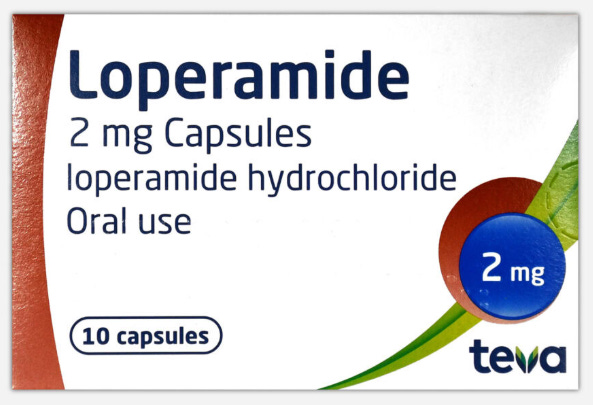
Loperamide slows the gut and gives fast, genuine relief. Brilliant for a long bus ride or a flight when you simply cannot be near a toilet.
But more is not better. The myth is that you should “load up” and take as much as possible.
You should not.
Stick to the label, never exceed the daily maximum, and avoid it altogether if you have a high fever or blood in your stool, because slowing the gut while an invasive bug is present can trap the very thing you want to flush out.
Third, the antibiotic question. This is the big one.
The instinct to reach for antibiotics at the first rumble is understandable.
It is also, for mild illness, a mistake.
Here is the uncomfortable arithmetic. In a study of travellers, the rate of picking up multi-drug-resistant ESBL bacteria was around 20% with no medication.
Add an antibiotic, and it climbed to 40%. Add loperamide and an antibiotic together, and it reached a striking 71%.
A separate meta-analysis confirmed the pattern. You treat a few days of diarrhoea, and you can potentially carry a resistant superbug home for months.
Diarrhoea empties you out. What it should never do is empty your judgement about antibiotics.
So reserve them. Antibiotics have a real role in moderate-to-severe illness, in dysentery, and in vulnerable travellers, ideally guided by a clinician ONLY (not DIY).
For the common, mild, watery case in an otherwise healthy adult, they offer little and cost much.
Finally, the food myth.
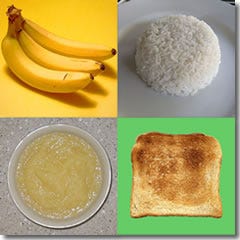
The fear of eating is the most persistent myth of all. White bread, dry toast, the famous BRAT diet of bananas, rice, applesauce and toast. We have all been told to starve the gut into submission.
The evidence does not support it. Severely restricting your diet has no proven benefit, and it may actually prolong recovery. Your gut lining draws much of its fuel directly from the food passing over it. Starve the gut, and you starve the very cells trying to repair.
Eat what you can tolerate. Keep it gentle, sure. Soups, rice, plain proteins, bananas if you fancy them. But the goal is nourishment, not punishment.
In summary…
Travellers’ diarrhoea is common, miserable and, in the vast majority of cases, harmless.
Hydrate properly. Use loperamide sensibly (and as a last resort).
Hold your fire on antibiotics. Eat gently with variation rather than not at all.
Do those four things and you give your body exactly what it needs, which is mostly time. The bug will pass. So, eventually, will everything else.
Travel well. Travel prepared. And maybe just say no to the ice cubes.
Struggling with liver or digestive issues that affect your daily life? Invest in your gut health with a private, personalised consultation where I will explore your specific symptoms and develop a targeted treatment plan. Take the first step toward digestive wellness today: https://bucksgastroenterology.co.uk/book-an-appointment/ (I offer both in person and video consultations!)
You can check out my full Substack here
References
Steffen R, Hill DR, DuPont HL. Traveler’s diarrhea: a clinical review. JAMA. 2015;313(1):71-80.
Riddle MS, Connor BA, Beeching NJ, et al. Guidelines for the prevention and treatment of travelers’ diarrhea: a graded expert panel report. J Travel Med. 2017;24(suppl_1):S57-S74.
Shah N, DuPont HL, Ramsey DJ. Global etiology of travelers’ diarrhea: systematic review from 1973 to the present. Am J Trop Med Hyg. 2009;80(4):609-614.
Ericsson CD, DuPont HL, Mathewson JJ, et al. Treatment of traveler’s diarrhea with sulfamethoxazole and trimethoprim and loperamide. JAMA. 1990;263(2):257-261.
Ericsson CD, DuPont HL, Mathewson JJ. Single dose ofloxacin plus loperamide compared with single dose or three days of ofloxacin in the treatment of traveler’s diarrhea. J Travel Med. 1997;4(1):3-7.
DuPont HL, Jiang ZD, Belkind-Gerson J, et al. Treatment of travelers’ diarrhea: randomized trial comparing rifaximin, rifaximin plus loperamide, and loperamide alone. Clin Gastroenterol Hepatol. 2007;5(4):451-456.
Kantele A, Lääveri T, Mero S, et al. Antimicrobials increase travelers’ risk of colonization by extended-spectrum betalactamase-producing Enterobacteriaceae. Clin Infect Dis. 2015;60(6):837-846.
Kantele A, Mero S, Kirveskari J, Lääveri T. Increased risk for ESBL-producing bacteria from co-administration of loperamide and antimicrobial drugs for travelers’ diarrhea. Emerg Infect Dis. 2016;22(1):117-120.
Wuerz TC, Kassim SS, Atkins KE. Acquisition of extended-spectrum beta-lactamase-producing Enterobacteriaceae (ESBL-PE) carriage after exposure to systemic antimicrobials during travel: systematic review and meta-analysis. Travel Med Infect Dis. 2020;37:101823.
Shane AL, Mody RK, Crump JA, et al. 2017 Infectious Diseases Society of America clinical practice guidelines for the diagnosis and management of infectious diarrhea. Clin Infect Dis. 2017;65(12):e45-e80.
Huang DB, Awasthi M, Le BM, et al. The role of diet in the treatment of travelers’ diarrhea: a pilot study. Clin Infect Dis. 2004;39(4):468-471.
General Disclaimer
Please note that the opinions expressed here are those of Dr Hussenbux and do not necessarily reflect the positions of Buckinghamshire Healthcare NHS Trust. The advice is intended as general and should not be interpreted as personal clinical advice. If you have problems, please tell your healthcare professional, who will be able to help you. Thank you to the amazing photographers from Unsplash where I get most of my images from.
Thank you for writing this column and this particular post on Traveler's Diarrhea. Your medical advice - on the diarrhea and on other topics - matches my common sense approach to diet. I am a steady eater who has always focused on food and exercise for healing instead of pills & supplements. This approach to health came from my history teacher reading and thinking how did people live long lives in the 1200s, 1500s, etc. Not the majority, I know. But many people lived to ripe old ages. Then I looked at my own relatives of my grandparents and great-grandparents generation because I have personal knowledge of their lifestyles. No antibiotics, just food, exercise (many farmers) and home remedies. I emulate their habits wherever I can.
I am 80, live in Alaska, and can still run, hike, & bike - slowly! You are the Best! You are welcome to visit us anytime!!! We travel often, so we may drop in on you! 😬 😬 😬
All great advice. Thank you. My wife and I never travel without loperamide (brand name: Imodium). Similarly Dioralyte, both of which are easily available from most pharmacies.