

I'm a Gastroenterologist - I eat these snacks
Snack with style

It’s 2026, so most people are shifting towards healthy living.
The chicken and broccoli. The overnight oats. The “sensible dinner.”
“That’s amazing…..and what snacks do you eat?”
Silence.
You can have the perfect meal plan, but snacks can mess up everything.
The afternoon biscuit. The pre-dinner crisps. The “just one more” that becomes ten.
But I got you.
These are the snacks I (try to) reach for; the ones that work with your body and taste good too!
Disclaimer: Let’s address the socio-economic elephant in the room. Yes, some of these foods come from a point of privilege. I get it. I’m not commenting on cost here. I’m simply sharing the snacks I eat, backed by research that convinced me they’re worth it.
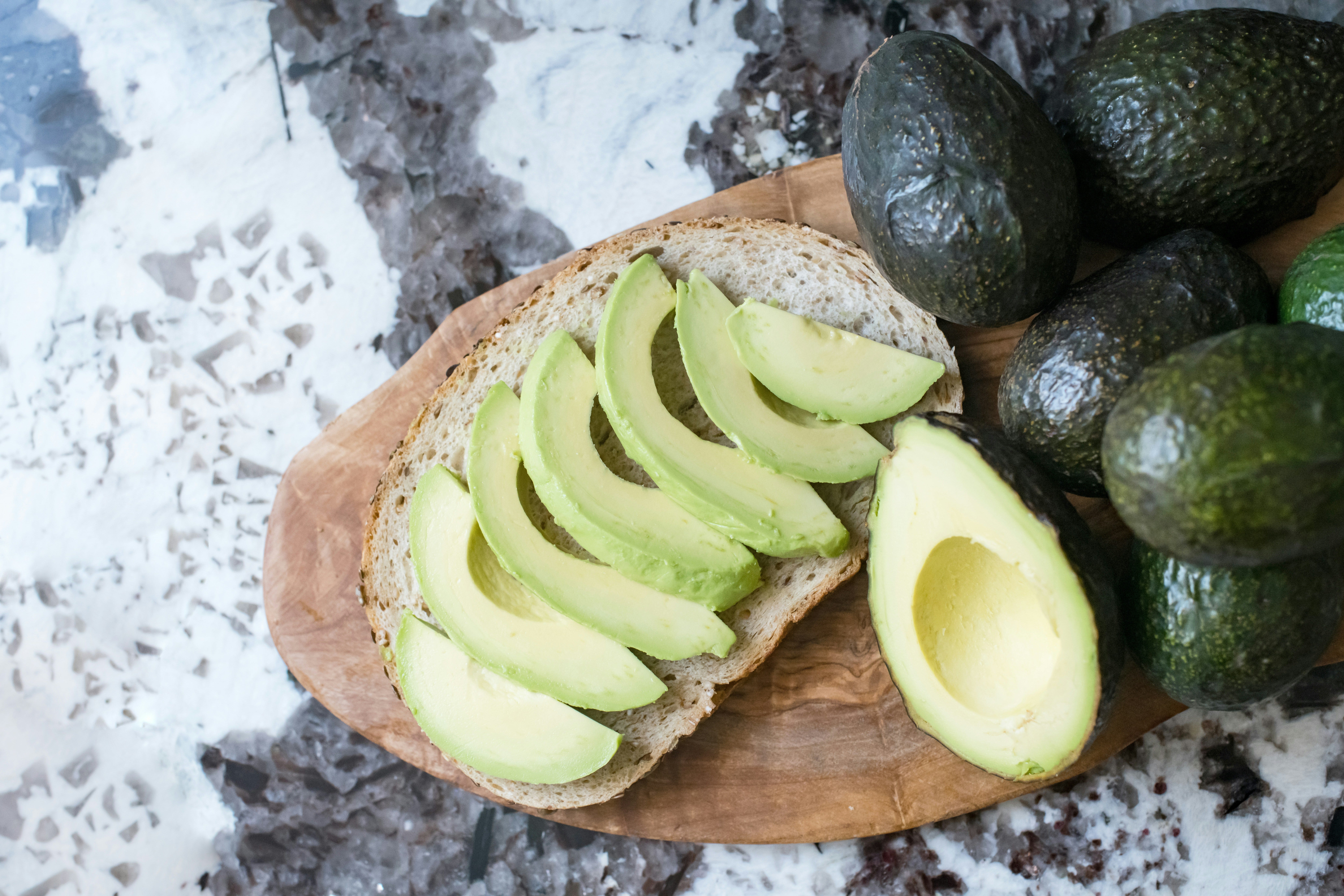
1. Avocados
Creamy, satisfying, and packed with good fats.
Avocados are nature’s butter. But better.
A 2020 randomised controlled trial found that eating one avocado daily for five weeks decreased oxidised LDL (the dangerous, small, dense particles) by nearly 9%. The avocado group also saw significant increases in plasma lutein ; an antioxidant that protects your cells.
What makes avocados special? Monounsaturated fatty acids.
The same heart-healthy fats found in olive oil. They don’t spike your blood sugar, they keep you full, and they make everything taste better.
Smash it on sourdough. Slice it into salads. Eat it with a spoon and a pinch of salt.
Simple, delicious and evidence-based.
2. Almonds
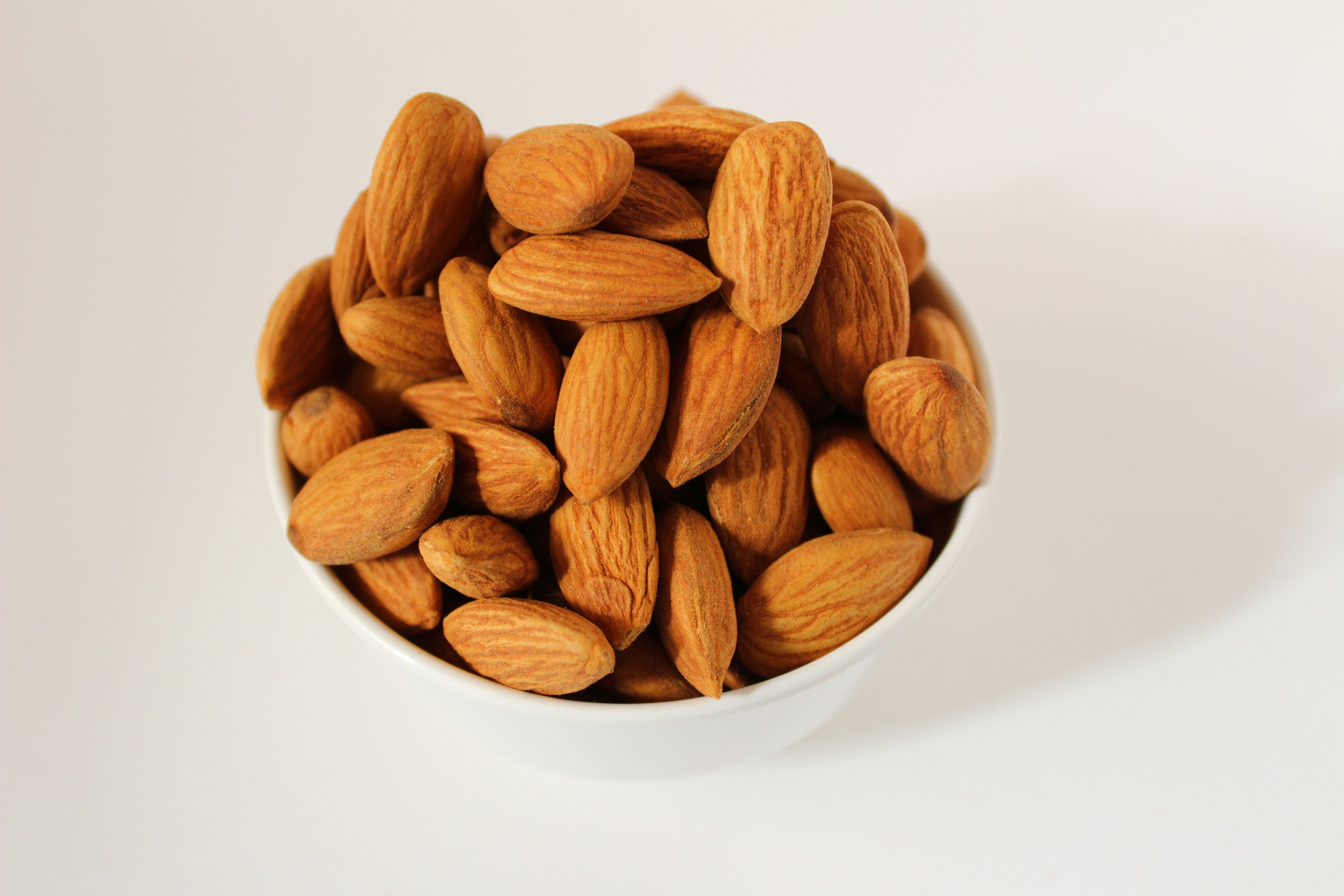
When I was little my mum told me to take seven almonds a day and that would make me smart.
Did it work? Jury’s still out.
But the science on almonds is solid. A 2019 meta-analysis of 15 RCTs found that almond consumption significantly reduced total cholesterol, LDL cholesterol, and body weight compared to controls. Not bad for a handful of nuts.
The mechanism? High fibre content (3.5g per 30g serving), protein, and healthy fats that enhance satiety. You eat almonds, you stay full. You stay full, you don’t raid the biscuit tin at 4pm.
Almonds also up-regulate acute signals for reduced hunger. They trick your brain into feeling satisfied. Snack smarter, not harder.
3. Dark chocolate
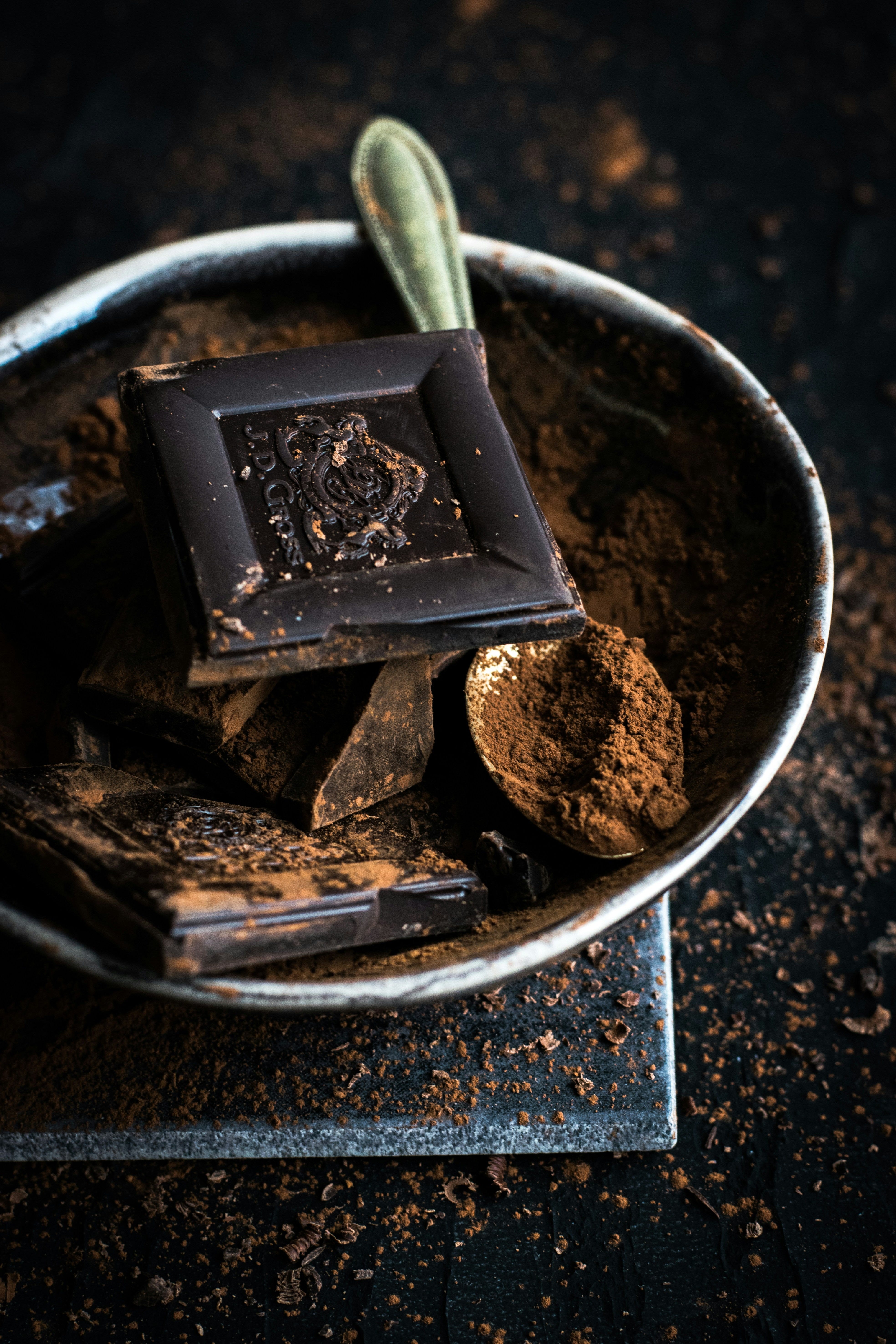
Yes, chocolate. But the proper stuff.
Dark chocolate (70%+ cocoa) is rich in flavanols , powerful polyphenols that do great things for your gut.
A meta-analysis of 42 RCTs comprising nearly 1,300 participants found that cocoa consumption improved insulin resistance, enhanced flow-mediated dilation (a marker of arterial health), and reduced blood pressure. The effects on blood vessels were seen both acutely and over time.
However, it needs to be dark. Milk chocolate doesn’t deliver the same benefits!!
Two squares after dinner. A moment of pleasure that’s actually doing something useful. Indulgence with intention.
4. Hummus and carrot sticks
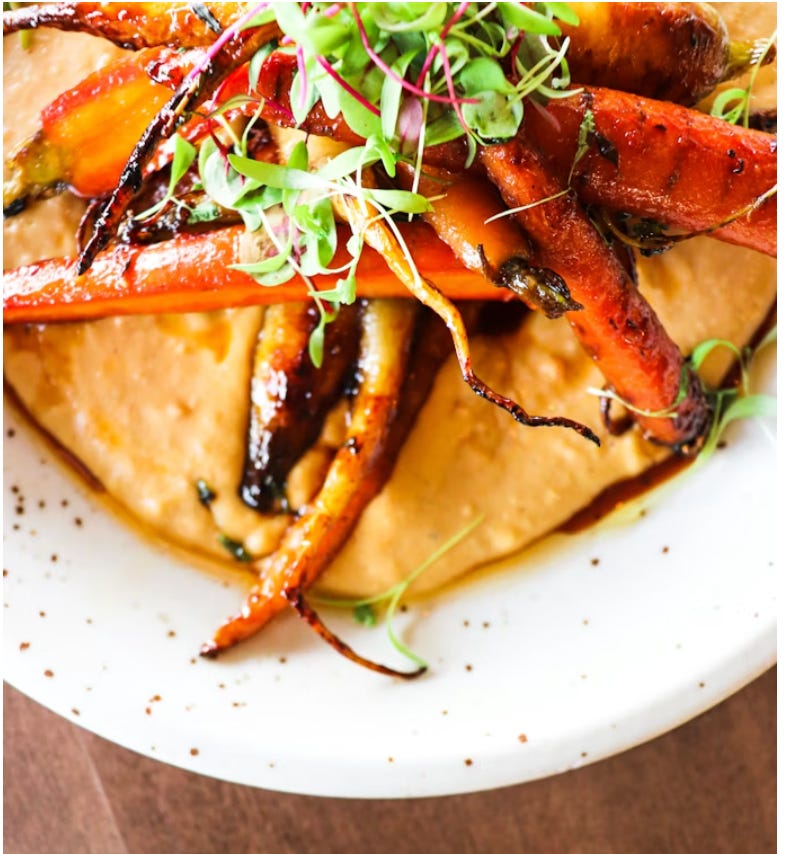
Fibre plus plant protein plus polyphenols = The perfect pick!
This combination is a masterpiece of snacking.
Carrots deliver beta-carotene and fibre. Hummus brings chickpeas; one of the most nutrient-dense legumes on the planet.
Together, they provide protein, slow-release carbohydrates, and enough fibre to keep your gut bugs happy.
The polyphenols in tahini (sesame paste) have antioxidant properties. The olive oil in good hummus adds those monounsaturated fats we keep talking about.
Crunchy. Creamy. Colourful. This is what a proper snack looks like.
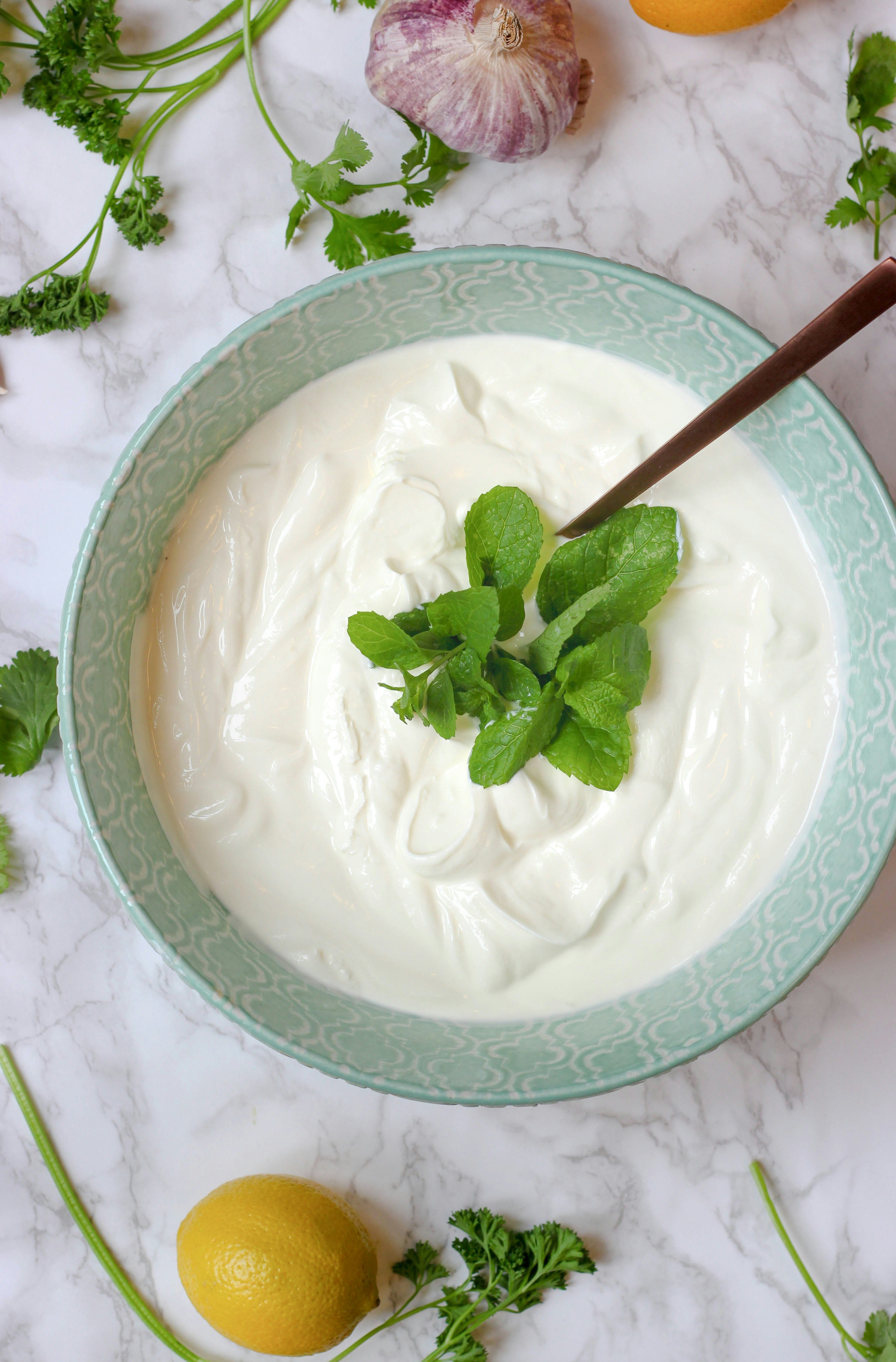
5. Greek yoghurt
Full-fat. Unsweetened. Daily. SO tasty.
Twenty grams of protein per serving, but that’s not why I eat it.
The probiotic strains in Greek yoghurt (particularly Lactobacillus bulgaricus and Streptococcus thermophilus) survive stomach acid better than most supplements. They reach your gut alive, ready to work.
A 2022 study in the TwinsUK cohort found that yoghurt consumption was associated with reduced visceral fat and changes in gut microbiome composition, including transient increases in beneficial bacteria species.
Skip the low-fat versions.
The fat helps with satiety and nutrient absorption. Plain, full-fat, and dressed with berries or a drizzle of honey.
6. Popcorn
Air-popped. Lightly salted……Hear me out.
Popcorn is the only snack that’s 100% unprocessed whole grain by weight.
Research from the University of Scranton found that popcorn contains up to 300mg of polyphenols per serving….more than many fruits and vegetables.
The hulls (the bits that get stuck in your teeth) have the highest concentration of polyphenols and fibre.
One study found that 15 calories of popcorn was as filling as 150 calories of potato chips. That’s a ten-fold difference in satiety per calorie….and far healthier.
The catch: Sadly, cinema popcorn doesn’t count. Drowned in butter, sugar and salt, it becomes a different food entirely. Keep it simple. Air-pop at home, add a touch of salt, and enjoy.

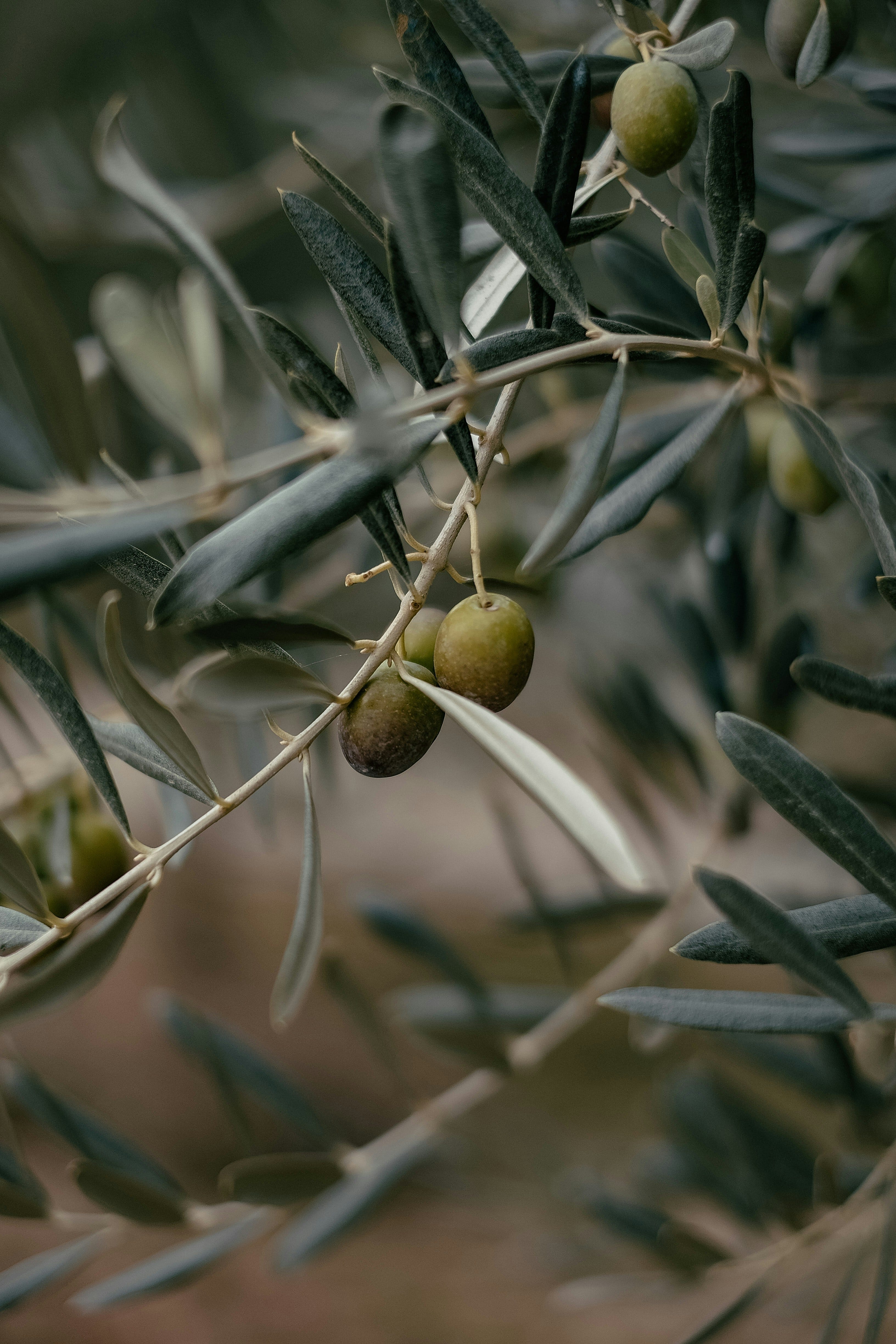
7. Olives
Healthy fats and low carb. The staple of mediterranean diet!
Olives are essentially little capsules of monounsaturated fat and antioxidants. They’re a cornerstone of the Mediterranean diet for good reason.
The PREDIMED trial (yes I love this trial) following 7,447 people over five years, found that a Mediterranean pattern rich in olive oil reduced cardiovascular events by 30%. Olives deliver many of the same benefits in snackable form.
Hydroxytyrosol, a phenolic compound in olives, has anti-inflammatory properties. A handful of olives between meals satisfies without spiking your blood sugar.
Kalamata. Castelvetrano. Green or black. Pick your favourite.
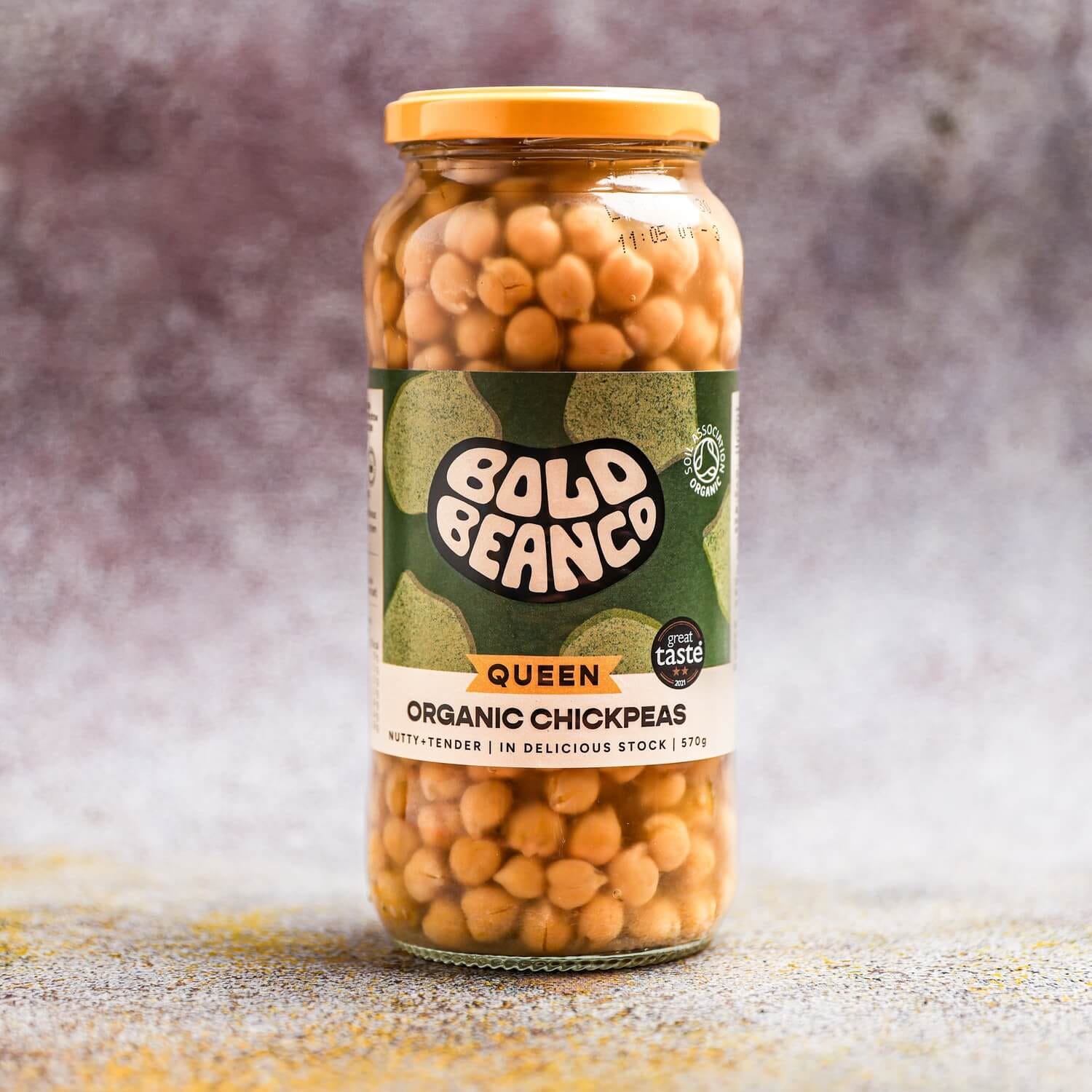
8. Roasted chickpeas
Crunchy. High fibre. Plant protein powerhouse.
Chickpeas are legumes, and legumes are consistently associated with improved metabolic health across populations. Roasting them transforms them into something crispy and moreish.
High in fibre (around 7g per 100g), protein, and complex carbohydrates, they provide sustained energy without the crash. They’re also low glycaemic, meaning they won’t send your blood sugar on a rollercoaster.
Season with paprika, cumin, or za’atar. Make a batch on Sunday. Snack all week.
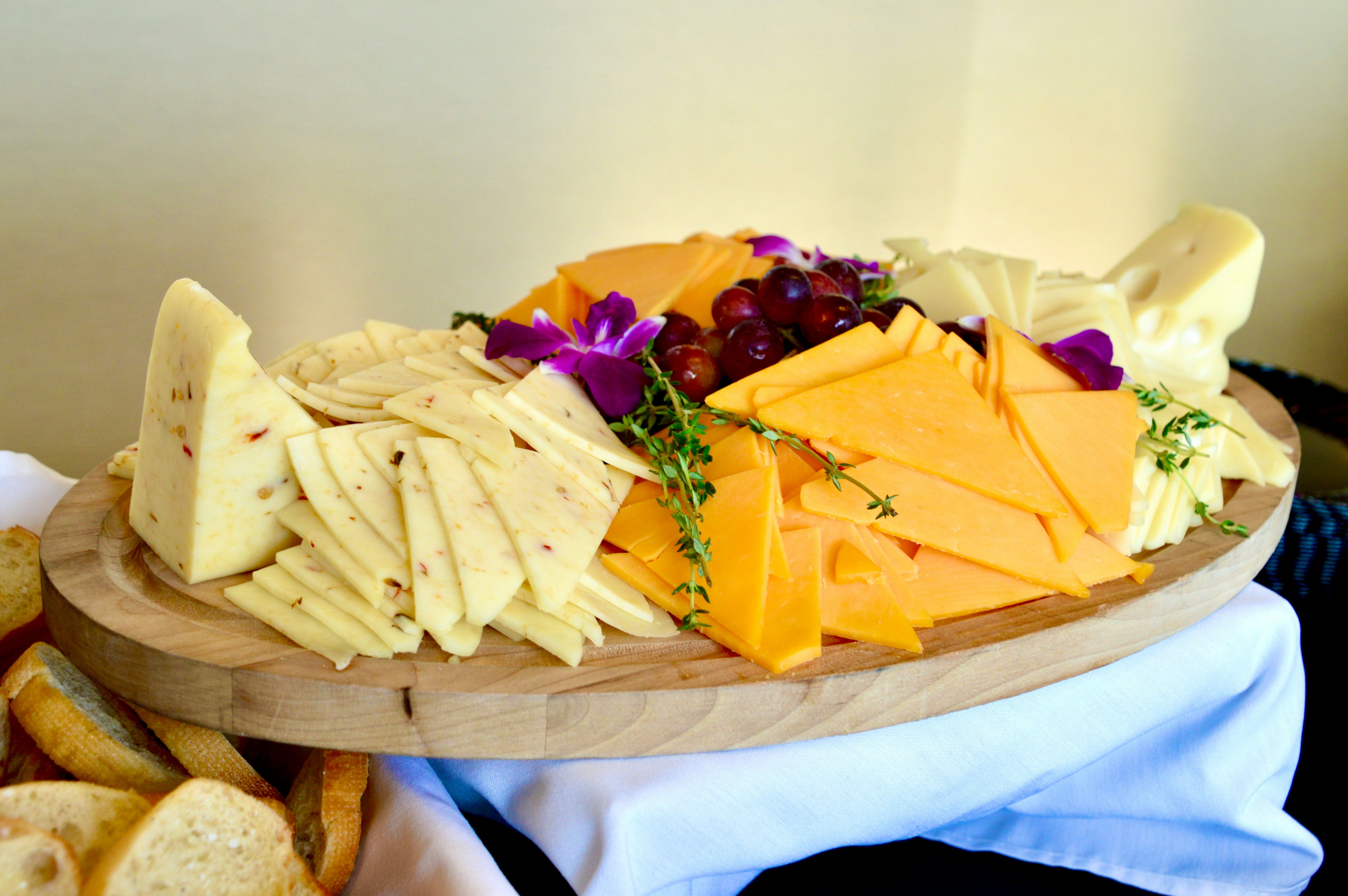
9. Cheese with walnuts
Protein. Fat. Minimal blood sugar impact.
This is a satisfying combination that keeps glucose stable.
Walnuts are the omega-3 champions of the nut world, containing 2.5g of alpha-linolenic acid per ounce.
A handful of cheese provides protein and fat without carbohydrates.
Together, they’re a snack that satisfies hunger without the metabolic consequences of processed alternatives. The fat content slows gastric emptying, keeping you full longer.
A few cubes of aged cheddar. A small handful of walnuts. Done.
10. Oatcakes with cottage cheese
Slow-release carbs meet high-quality protein.
Oatcakes provide beta-glucan fibre, the type shown to help lower cholesterol. They’re also low glycaemic, releasing energy gradually rather than all at once.
Cottage cheese is high in protein and contains casein, a slowly-digested protein that promotes satiety. The combination delivers sustained energy without the sugar crash.
Top with cucumber or tomato for extra crunch and nutrients.
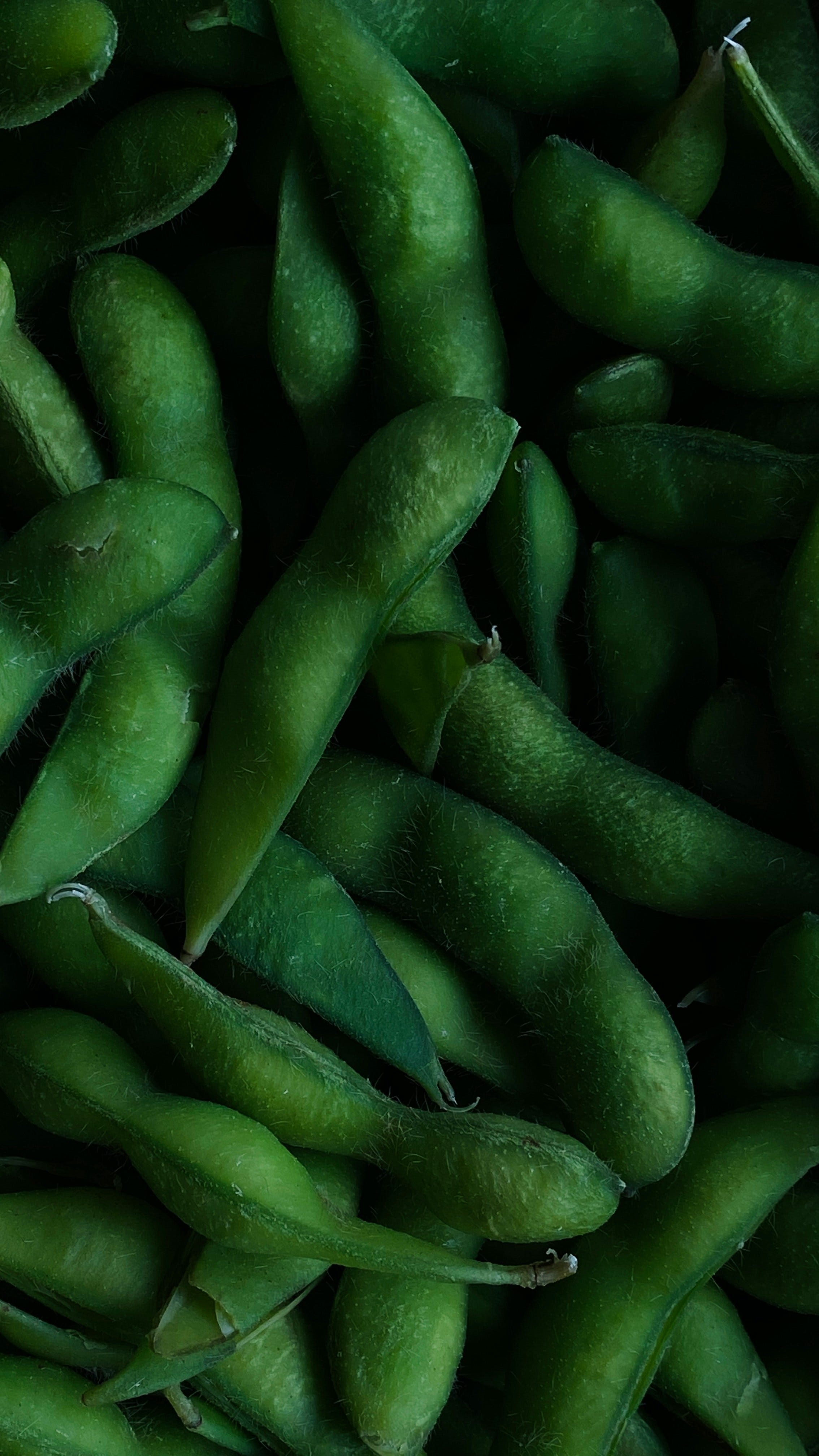
11. Edamame
Plant protein. Fibre. Low glycaemic index.
These young soybeans are nutritional overachievers.
High in complete plant protein (around 11g per 100g), fibre, and isoflavones, edamame is a snack that nourishes without guilt. The glycaemic index is low, so blood sugar stays stable.
Steam from frozen, sprinkle with sea salt, and eat straight from the pod. Simple, satisfying, and surprisingly addictive.
The pattern here
Notice what these snacks have in common?
Whole foods with minimal processing.
Good fats, fibre, and protein. Foods that satisfy hunger rather than stoking it.
The snacks that work against us = ultra-processed, engineered for overconsumption are designed to bypass satiety signals. The snacks that work with us do the opposite.
Small and consistent changes compound over time.
Swap the afternoon biscuit for a handful of almonds. Replace the crisps with hummus and carrots. Choose dark over milk chocolate.
Snacks are the make (or break) of your diet….good luck!
Struggling with liver or digestive issues that affect your daily life? Invest in your gut health with a private, personalised consultation where I will explore your specific symptoms and develop a targeted treatment plan. Take the first step toward digestive wellness today: https://bucksgastroenterology.co.uk/contact/ (I offer both in person and video consultations!)
References
Wang L, et al. A Moderate-Fat Diet with One Avocado per Day Increases Plasma Antioxidants and Decreases the Oxidation of Small, Dense LDL in Adults with Overweight and Obesity: A Randomized Controlled Trial. Journal of Nutrition. 2020;150(2):276-284.
Hamednia S, et al. Effects of Avocado Products on Cardiovascular Risk Factors in Adults: A GRADE-Assessed Systematic Review and Meta-Analysis. Food Science & Nutrition. 2025;13(7):e70547.
Lee-Bravatti MA, et al. Almond Consumption and Risk Factors for Cardiovascular Disease: A Systematic Review and Meta-analysis of Randomized Controlled Trials. Advances in Nutrition. 2019;10(6):1076-1088.
Dreher ML, et al. A Comprehensive Review of Almond Clinical Trials on Weight Measures, Metabolic Health Biomarkers and Outcomes, and the Gut Microbiota. Nutrients. 2021;13(6):1968.
Hooper L, et al. Effects of chocolate, cocoa, and flavan-3-ols on cardiovascular health: a systematic review and meta-analysis of randomized trials. American Journal of Clinical Nutrition. 2012;95(3):740-751.
Santos FP, et al. Effects of Cocoa Consumption on Cardiometabolic Risk Markers: Meta-Analysis of Randomized Controlled Trials. Nutrients. 2024;16(12):1919.
Le Couteur DG, et al. Yoghurt consumption is associated with changes in the composition of the human gut microbiome and metabolome. BMC Microbiology. 2022;22(1):39.
Vinson JA, et al. Analysis of Popcorn (Zea Mays L. var. Everta) for Antioxidant Capacity and Total Phenolic Content. Antioxidants. 2019;8(1):22.
American Heart Association. Popcorn as a snack: Healthy hit or dietary horror show? Heart News. 2019.
Estruch R, et al. Primary prevention of cardiovascular disease with a Mediterranean diet supplemented with extra-virgin olive oil or nuts. New England Journal of Medicine. 2018;378:e34.
General Disclaimer
Please note that the opinions expressed here are those of Dr Hussenbux and do not necessarily reflect the positions of Buckinghamshire Healthcare NHS Trust. The advice is intended as general and should not be interpreted as personal clinical advice. If you have problems, please tell your healthcare professional, who will be able to help you. Thank you to the amazing photographers from Unsplash where I get most of my images from.
Glad to see dark chocolate on your list, as always :) just a reminder: high percentage dark chocolate shouldn't taste like a punishment, if it does, it's probably made from low quality cacao beans and severely over-roasted. Try to find craft chocolate made by small-batch chocolate makers who source their cacao sustainably and use gentle roasting to preserve as much of the good stuff within cacao as possible.
Your almond recommendation jogged my memory. Here's something from The Guardia , one of your newspapers, from years ago. Barack Obama: I don't eat exactly seven almonds every night
New York Times anecdote about how the president eats only ‘seven lightly salted almonds’ as a late-night snack was told to reporter ‘as a joke’, Obama says