

I'm a Gastroenterologist - I recommend postbiotic foods
Just let the bugs do the work

“Sorry, what are postbiotic foods” you say?
Come on, you gotta stick with me.
You have heard of probiotics. The live bugs in Yakult / some yoghurt you saw in Tescos.
You have heard of prebiotics. The fibre that feeds them.
Postbiotics are the third sibling, and (probably) the most important!
You can check out my full Substack here
So what are postbiotics???
When bacteria and yeasts ferment a food, they eat the sugars and leave things behind.
Those leftovers are postbiotics.
In 2021 an international panel (ISAPP) defined them properly: “a preparation of inanimate microorganisms and/or their components that confers a health benefit on the host”
In English, the useful stuff the microbes make and the dead microbial parts they leave behind.
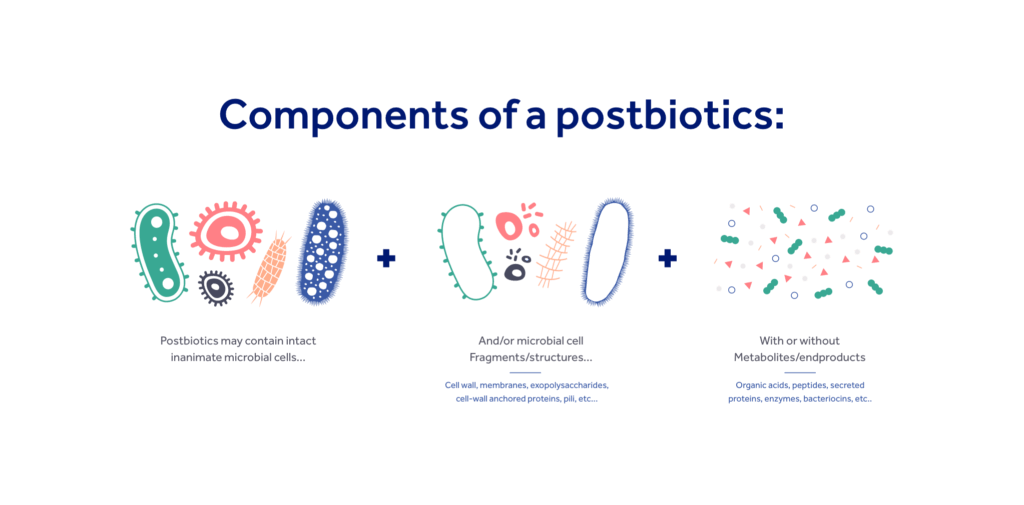
The list sounds complex….Short-chain fatty acids like butyrate, acetate and propionate. Organic acids. Bacteriocins. Peptides. Exopolysaccharides. Fragments of cell wall.
These are (basically) the molecules that calm inflammation, feed the cells lining your colon, and help keep the gut barrier sealed.
Fermented foods are the everyday way to get them.
Bread, milk, cabbage, tea. Humans have made them for millennia, long before anyone could spell microbiome.
Why bother? Because the modern gut is poorer than it should be.
Industrialised life, processed food and antibiotics have thinned our microbial diversity, a state called dysbiosis.
Low diversity tracks with inflammation, obesity and diabetes. Fermented foods push the other way.

In a 10-week randomised trial of 36 healthy adults (please note, LOW sample size and not long study duration), those who ate a high-fermented-food diet saw their gut microbiome diversity rise while the levels of 19 inflammatory proteins fell.
The high-fibre arm showed no such drop in those same proteins.
Diversity up, inflammation down, from food alone (in a low powered study).
For irritable bowel syndrome (IBS) a 2024 meta-analysis of 16 randomised trials found fermented foods modestly improved symptoms, with fermented milk the strongest performer, though the authors urge caution as the evidence is still emerging.
One caveat before we start…..
More is not better.
These foods are potent, salty and acidic, and too much too soon means bloating and grief.
Two to three portions a week is plenty. Start small. Build slowly.
1. Kefir: one and done!
A fermented milk drink made with kefir grains, a living symbiosis of bacteria and yeast. Tart, tangy, faintly fizzy. Drinkable, funky yoghurt.
Kefir contains 30 or more microbial strains, where yoghurt offers two or three!!
A 12-week parallel-group randomised controlled trial gave patients with metabolic syndrome 180ml of kefir daily or unfermented milk.
Fasting insulin, insulin resistance (HOMA-IR), the inflammatory markers TNF-alpha and IFN-gamma, and both systolic and diastolic blood pressure all fell significantly with kefir.
A separate randomised trial showed kefir improved lactose digestion and tolerance in adults who struggle with milk.
If you pick one fermented food, pick this one.

2. Sourdough: Time to replace your bread?
Bread leavened slowly by wild yeast and lactic acid bacteria, not commercial baker’s yeast. Sour, tangy, chewy crust.
That slow fermentation lowers the glycaemic response.
A randomised crossover study in 16 people with impaired glucose tolerance found sourdough cut blood glucose by 25% at thirty minutes after eating, with lower early insulin too, compared with bread leavened by baker’s yeast.
The benefit sat in the early window, driven by the lactic acid the bacteria produce.
The fermentation also breaks down fructans, a type of FODMAP that triggers IBS symptoms. A randomised trial showed low-FODMAP fermented bread eased flatulence, pain and cramps.
And the acids activate enzymes that strip away phytic acid in the grain, freeing up minerals like magnesium for absorption.
Choose a real, slow-fermented loaf.

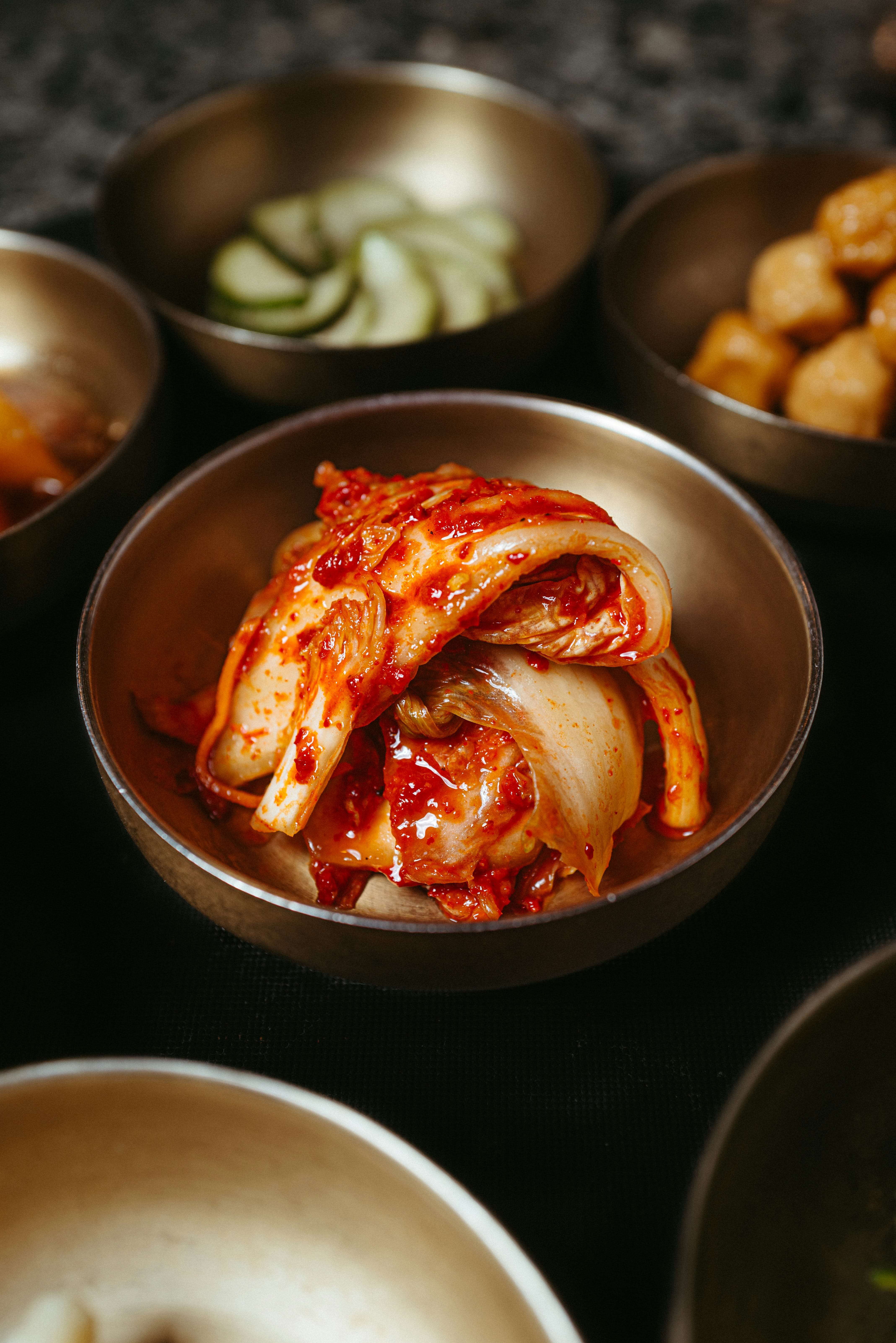
3. Kimchi: funky!
Korea’s fermented vegetables.
Napa cabbage and radish with chilli, garlic and ginger, transformed by lactic acid bacteria. Spicy, sour, savoury, pretty funky.
The evidence leans metabolic. A crossover trial in 21 people with prediabetes compared fresh against fermented kimchi.
Both reduced body weight and waist circumference. But fermented kimchi did more: it decreased insulin resistance, increased insulin sensitivity and lowered blood pressure. The fermentation itself added the benefit.
Watch the salt. Kimchi is generous with it!!!!
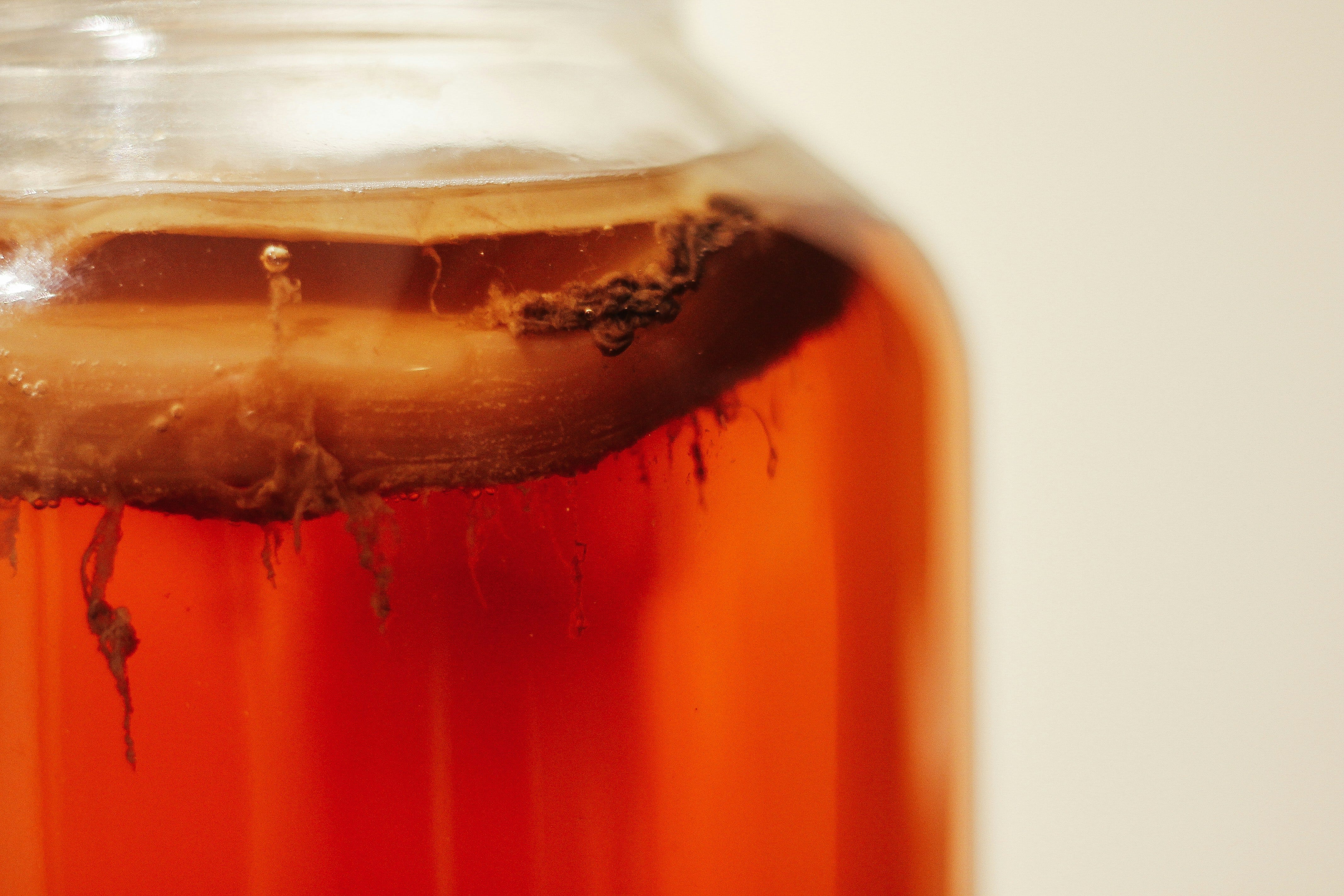
4. Kombucha: Acquired but hey that’s just me
Sweetened tea fermented with a SCOBY, a symbiotic culture of bacteria and yeast. Tart, vinegary, fizzy, a little sweet.
Here I must be honest. Kombucha is the least studied of the five.
A 2019 systematic review found the human evidence thin, with most claims resting on animal and laboratory work.
A 12-person pilot trial in people with type 2 diabetes found four weeks of daily kombucha lowered average fasting glucose from 164 to 116 mg/dL, while placebo did not budge significantly.
And mind the sugar in commercial bottles.
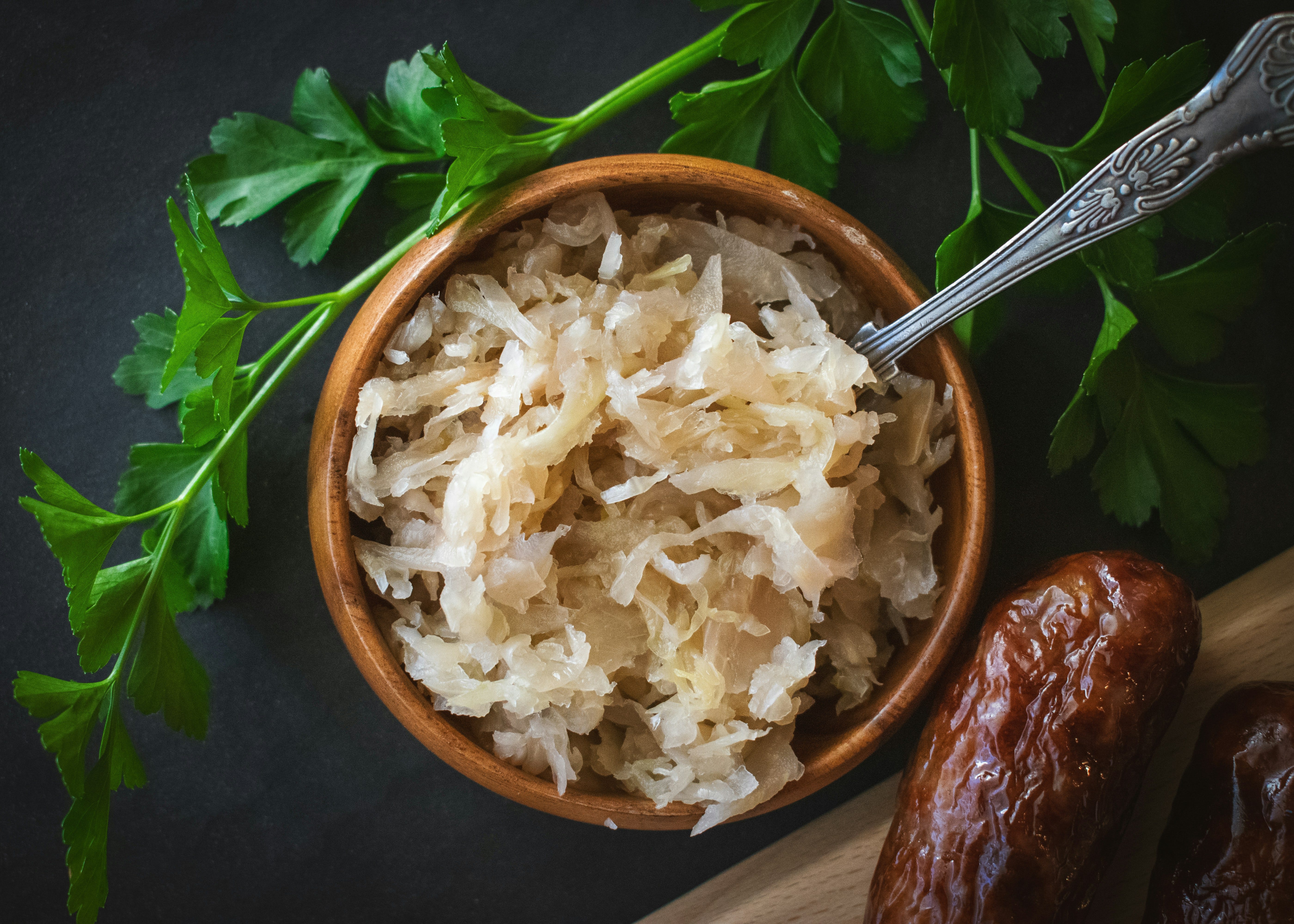
5. Sauerkraut: The OG
Cabbage and salt, fermented by lactic acid bacteria. Sour, sharp, tangy.
Possibly the simplest ferment there is.
Unpasteurised sauerkraut is rich in live bacteria and postbiotic compounds. The canned, pasteurised stuff has been heated, and the live cultures are mostly gone. Buy it from the fridge.
The human evidence is early. A pilot study in 34 IBS patients found sauerkraut improved symptom scores, whether pasteurised or not. Modest, but pointing the right way.
There you have it
Five foods. Five fermentations. One simple idea.
You are not just eating the food. You are eating what the microbes made of it.
Try to be consistent. A spoon of sauerkraut here. A glass of kefir there. Some real sourdough at the weekend.
Remember, 2-3 portions a week is more than enough.
Struggling with liver or digestive issues that affect your daily life? Invest in your gut health with a private, personalised consultation where I will explore your specific symptoms and develop a targeted treatment plan. Take the first step toward digestive wellness today: https://bucksgastroenterology.co.uk/book-an-appointment/ (I offer both in person and video consultations!)
You can check out my full Substack here
References
Salminen S, Collado MC, Endo A, et al. The International Scientific Association of Probiotics and Prebiotics (ISAPP) consensus statement on the definition and scope of postbiotics. Nat Rev Gastroenterol Hepatol. 2021;18(9):649-667.
Marco ML, Sanders ME, Gänzle M, et al. The International Scientific Association for Probiotics and Prebiotics (ISAPP) consensus statement on fermented foods. Nat Rev Gastroenterol Hepatol. 2021;18(3):196-208.
Wastyk HC, Fragiadakis GK, Perelman D, et al. Gut-microbiota-targeted diets modulate human immune status. Cell. 2021;184(16):4137-4153. PubMed
Ding L, Duan J, Yang T, Yuan M, Ma AH, Qin Y. Efficacy of fermented foods in irritable bowel syndrome: a systematic review and meta-analysis of randomized controlled trials. Front Nutr. 2024;11:1494118.
Bellikci-Koyu E, Sarer-Yurekli BP, Akyon Y, et al. Effects of regular kefir consumption on gut microbiota in patients with metabolic syndrome: a parallel-group, randomized, controlled study. Nutrients. 2019;11(9):2089.
Hertzler SR, Clancy SM. Kefir improves lactose digestion and tolerance in adults with lactose maldigestion. J Am Diet Assoc. 2003;103(5):582-587.
Maioli M, Pes GM, Sanna M, Cherchi S, Dettori M, Manca E, Farris GA. Sourdough-leavened bread improves postprandial glucose and insulin plasma levels in subjects with impaired glucose tolerance. Acta Diabetol. 2008;45(2):91-96. nih
Lopez HW, Krespine V, Guy C, Messager A, Demigné C, Rémésy C. Prolonged fermentation of whole wheat sourdough reduces phytate level and increases soluble magnesium. J Agric Food Chem. 2001;49(5):2657-2662.
Laatikainen R, Koskenpato J, Hongisto SM, Loponen J, Poussa T, Hillilä M, Korpela R. Randomised clinical trial: low-FODMAP rye bread vs. regular rye bread to relieve the symptoms of irritable bowel syndrome. Aliment Pharmacol Ther. 2016;44(5):460-470.
An SY, Lee MS, Jeon JY, et al. Beneficial effects of fresh and fermented kimchi in prediabetic individuals. Ann Nutr Metab. 2013;63(1-2):111-119. PubMed
Kapp JM, Sumner W. Kombucha: a systematic review of the empirical evidence of human health benefit. Ann Epidemiol. 2019;30:66-70.
Mendelson C, Sparkes S, Merenstein DJ, et al. Kombucha tea as an anti-hyperglycemic agent in humans with diabetes: a randomized controlled pilot investigation. Front Nutr. 2023;10:1190248.
Nielsen ES, Garnås E, Jensen KJ, et al. Lacto-fermented sauerkraut improves symptoms in IBS patients independent of product pasteurisation: a pilot study. Food Funct. 2018;9(10):5323-5335.
General Disclaimer
Please note that the opinions expressed here are those of Dr Hussenbux and do not necessarily reflect the positions of Buckinghamshire Healthcare NHS Trust. The advice is intended as general and should not be interpreted as personal clinical advice. If you have problems, please tell your healthcare professional, who will be able to help you. Thank you to the amazing photographers from Unsplash where I get most of my images from.
Any chance you could compile all of your studies into a single recommendation that includes:
Prebiotics
Probiotics
Postbiotics
I realize all the information is there, but would be a really good "starter" for everyone. Add these 5 foods from all 3 groups into your diet - the easy button.....
Always so helpful! Thanks 🙏