

5 Interesting Liver Facts
The liver needs to get some limelight...

….well from the heart and brain anyway!
Your liver sits n the upper right of your abdomen.
It filters our blood, produces bile, stores energy, metabolises drugs, and detoxifies your body….amongst many other detox functions.
The heart gets the poetry and the brain gets the documentaries.
Your gut gets a fair bit of attention too (I may be partly responsible for that).
But the liver….it’s ignored!
Here are five facts that might change your mind!
Disclaimer: I don’t think I have a disclaimer this week!
If you enjoy this article check out my Substack here filled with over 30 gut and liver articles.
1. Your liver can regenerate
Very cool.
The liver is the only solid organ in the body that can regenerate back to its full size. Remove two-thirds of it, and it regrows over time.
Mature liver cells, known as hepatocytes, simply begin dividing.
No stem cells required. New cells form, function returns, architecture potentially restored.
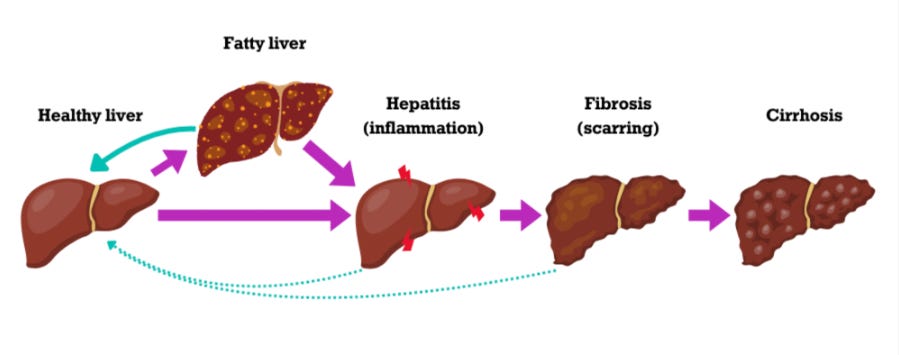
Surgeons rely on this unique feature. In living donor liver transplants, both the donated segment and the donor’s remaining liver regenerate to near-full size. It’s why fatty liver, when caught early, is reversible.
Remove the cause, whether that’s excess weight, alcohol, or poor diet, and the liver repairs itself.
However, this isn’t a get out of jail free card.
Chronic injury from alcohol, obesity, or viral hepatitis causes fibrosis, progressive scarring that distorts the very architecture the liver needs to heal.
Once cirrhosis sets in, senescent hepatocytes accumulate, regenerative signalling falters, and recovery slows to a halt. The liver forgives. But it doesn’t forget forever.
I wrote about why fatty liver deserves your attention here.
2. Coffee protects your liver
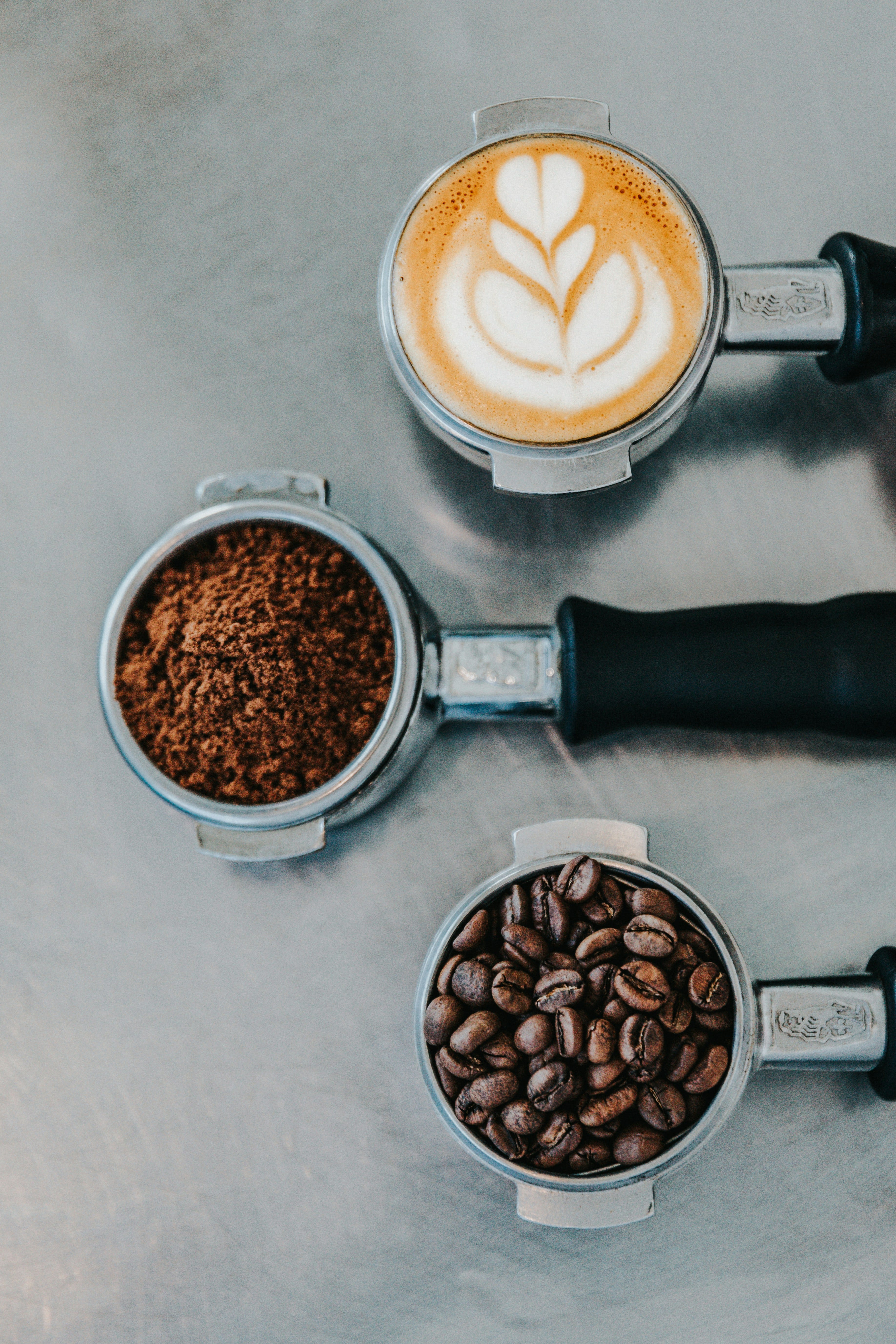
Coffee lovers…unite!
A meta-analysis pooling over 400,000 participants across 9 studies found that two cups of coffee daily was associated with a 40% reduced risk of cirrhosis.
Each additional cup pushed the number further….up to 65% at four cups per day (however, this feels a little excessive for caffeine related reasons).
The same group then examined liver cancer. Across 18 cohort studies and 2.2 million participants, two extra cups of coffee daily were associated with a 35% lower risk of hepatocellular carcinoma….the most common type of primary liver cancer.
Even decaf showed benefit, though less so.
The possible mechanisms is coffee contains chlorogenic acids…these are polyphenols that reduce oxidative stress.
Caffeine blocks adenosine receptors on hepatic stellate cells, the cells responsible for producing scar tissue. Block them, and you slow fibrosis. Diterpenes like cafestol and kahweol suppress inflammatory pathways.
In short: coffee is anti-inflammatory, anti-fibrotic, and anti-carcinogenic for your liver.
A few caveats. Keep it simple…minimal sugar, a splash of milk at most. And avoid caffeine roughly 8 hours before bed.
Good sleep matters for your liver too (more on that in a moment).
3. Fatty liver is staggeringly common
One in three….that’s how common!
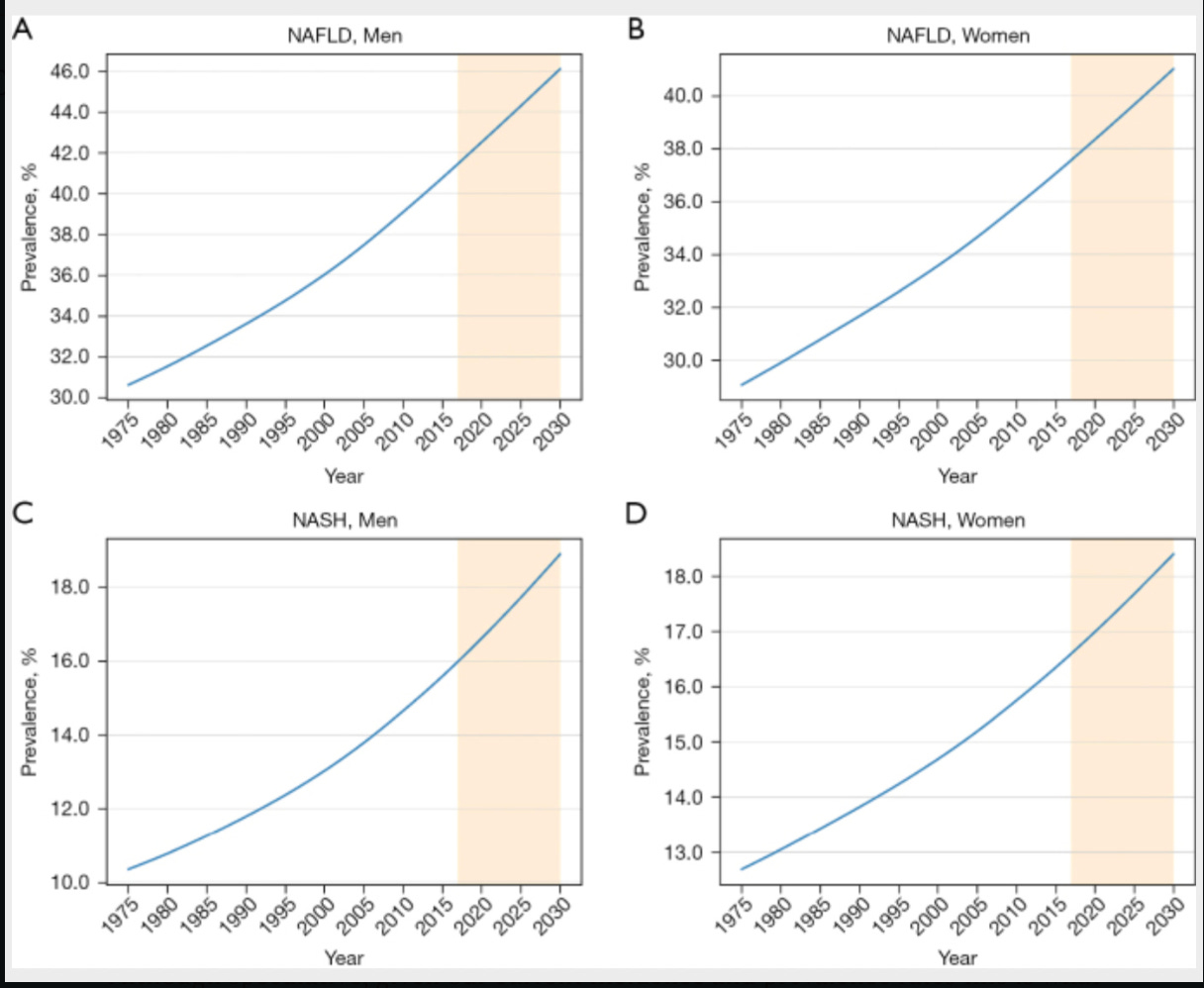
A meta-analysis analysed 72 studies covering over 1 million participants from 17 countries and found the global prevalence of MASLD (Metabolic dysfunction-Associated Steatotic Liver Disease, previously called NAFLD) was 32.4%.
Prevalence rose from 25% before 2005 to 38% by 2016 and beyond…an epidemic hiding in plain sight.
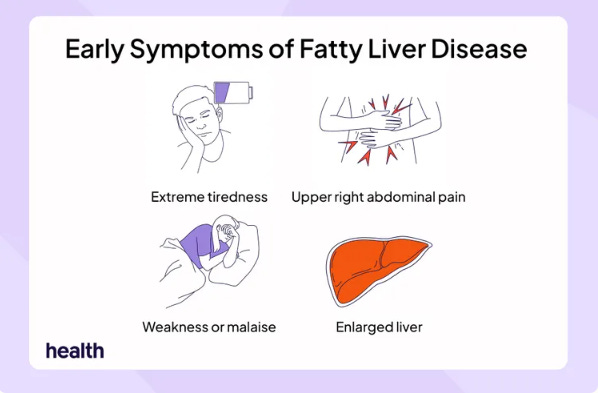
Most people have no symptoms. No pain. No jaundice. Nothing. Fatty liver sits silently, progressing through a slow sequence: fat accumulation, inflammation (steatohepatitis), fibrosis, and eventually cirrhosis.
But here’s the good news….and it connects back to Fact 1.
Fatty liver is reversible, particularly in the early stages. Dietary change, weight loss, and regular exercise can clear hepatic fat remarkably quickly. I wrote a practical guide on how to approach it here.
4. Poor sleep damages your liver
A meta-analysis of 15 studies and over 261,000 participants found that short sleep duration was significantly associated with increased fatty liver risk.
A study of nearly 70,000 Korean workers showed women sleeping five hours or less had a 70% higher risk of fatty liver compared to those sleeping seven or more….even after adjusting for BMI.
And it’s not just how long you sleep. It’s how well.
A prospective study of 86,530 adults found that a decrease in sleep duration of more than one hour over time was linked to a 58% increased risk of fatty liver with fibrosis.
Persistently poor sleep quality independently raised risk too.
Why? Your liver runs on a circadian clock. Bile acid production, glucose metabolism, lipid processing, detoxification…all follow a 24-hour rhythm.
Disrupt the rhythm and you disrupt the repair. One study in Cancer Cell found that chronic circadian disruption in mice triggered the full progression from fatty liver to inflammation to fibrosis to liver cancer….just from altering their sleep-wake cycle. (PLEASE note….this study was done on MICE…however, it’s still. very interesting in my opinion).
UK Biobank data from 282,303 participants confirmed that irregular shift workers had a 29% higher risk of elevated hepatic fat!!! Bad news for NHS workers.
Sleep protects the liver. Shortchange your sleep, and you shortchange the organ that keeps everything else running.
5. “Liver detox” supplements may harm the very organ they claim to help
Oh the irony.
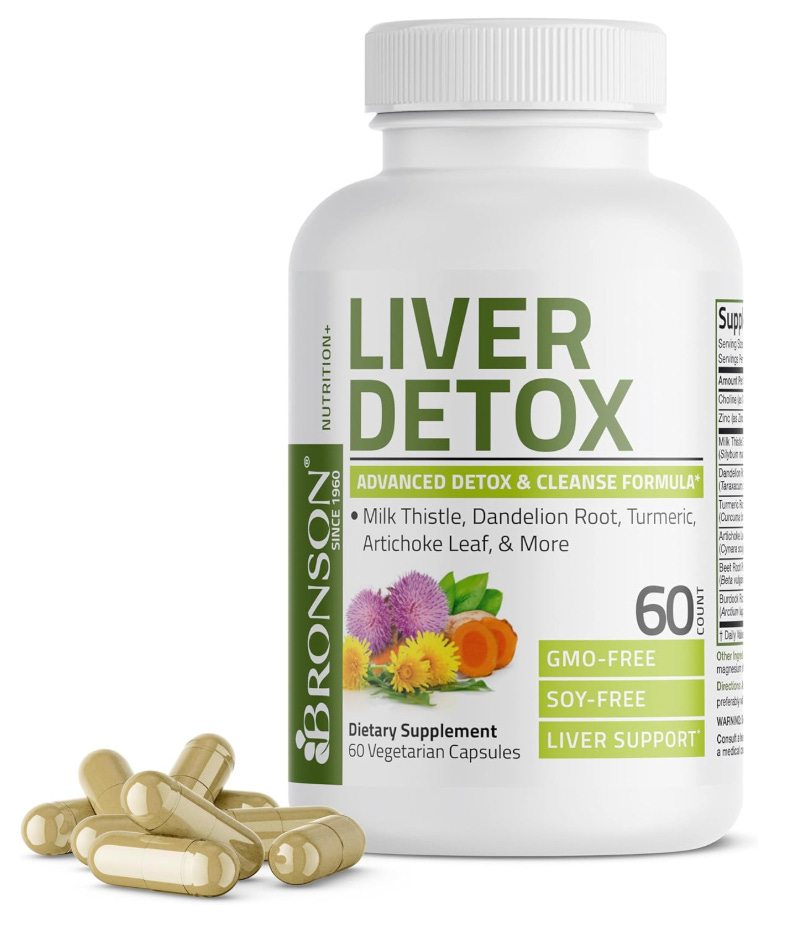
Your liver doesn’t need detoxing. Your liver is the detoxification system.
It does this every minute, every day, without supplements, cleanses, or charcoal powders.
But some of these products don’t just waste your money. They can potentially cause real liver damage.
Data from the US Drug-Induced Liver Injury Network showed that herbal and dietary supplements accounted for 20% of all drug-induced liver injury…up from 7% a decade earlier.
And the injuries were more severe than those from conventional medications: 13% of patients with supplement-related liver injury died or required a liver transplant, compared to 3% from prescription drugs.
Specific offenders include green tea extract in high doses (the European Food Safety Authority flagged EGCG above 800mg/day as a concern) and kava, which has been linked to over 100 cases of liver damage worldwide, with 11 patients requiring transplants.
What actually helps your liver? Nothing glamorous. Remove alcohol. Maintain a healthy weight. Move your body. Eat well. Sleep properly.
Your liver is the unsung hero
It’s not an attention seeker like the brain or heart.
It doesn’t send distress signals until things are advanced.
It regenerates, detoxifies, metabolises, and filters…..without us knowing.
But it is not indestructible.
Drink your coffee. Protect your sleep. Skip the liver detox aisle. And if someone tells you that you have fatty liver…take it seriously.
If you enjoyed this article check out my Substack here
Struggling with liver or digestive issues that affect your daily life? Invest in your gut health with a private, personalised consultation where I will explore your specific symptoms and develop a targeted treatment plan. Take the first step toward digestive wellness today: https://bucksgastroenterology.co.uk/contact/ (I offer both in person and video consultations!)
References
Michalopoulos GK, Bhushan B. Liver regeneration: biological and pathological mechanisms and implications. Nat Rev Gastroenterol Hepatol. 2021;18:40-55.
Sarin SK, Choudhury A. Hepatic Regeneration in Cirrhosis. J Clin Exp Hepatol. 2022.
Kennedy OJ, Roderick P, Buchanan R, et al. Systematic review with meta-analysis: coffee consumption and the risk of cirrhosis. Aliment Pharmacol Ther. 2016;43(5):562-574.
Kennedy OJ, Roderick P, Buchanan R, et al. Coffee, including caffeinated and decaffeinated coffee, and the risk of hepatocellular carcinoma: a systematic review and dose-response meta-analysis. BMJ Open. 2017;7(5):e013739.
Riazi K, Azhari H, Charette JH, et al. The prevalence and incidence of NAFLD worldwide: a systematic review and meta-analysis. Lancet Gastroenterol Hepatol. 2022;7(9):851-861.
Yang J, Zhang K, Xi Z, et al. Short sleep duration and the risk of NAFLD/MAFLD: a systematic review and meta-analysis. Sleep Breath. 2023;27(5):1985-1996.
Kim CW, Yun KE, Jung HS, et al. Sleep duration and quality in relation to non-alcoholic fatty liver disease in middle-aged workers and their spouses. J Hepatol. 2013;59(2):351-357.
Um YJ, Chang Y, Jung HS, et al. Sleep Duration, Sleep Quality, and the Development of Nonalcoholic Fatty Liver Disease. Clin Transl Gastroenterol. 2021;12(10):e00417.
Kettner NM, et al. Circadian homeostasis of liver metabolism suppresses hepatocarcinogenesis. Cancer Cell. 2016;30:909-924.
Maidstone R, et al. Shift work and evening chronotype are associated with hepatic fat fraction and NAFLD in 282,303 UK Biobank participants. Endocr Connect. 2024;13(2).
Navarro VJ, Barnhart H, Bonkovsky HL, et al. Liver injury from herbals and dietary supplements in the US Drug-Induced Liver Injury Network. Hepatology. 2014;60(4):1399-1408.
Navarro VJ, Khan I, Björnsson E, et al. Liver Injury From Herbal and Dietary Supplements. Hepatology. 2017;65(1):363-373.
Fontana RJ, Liou I, Reuben A, et al. AASLD Practice Guidance on Drug, Herbal, and Dietary Supplement–Induced Liver Injury. Hepatology. 2022.
CDC. Hepatic Toxicity Possibly Associated with Kava-Containing Products. MMWR. 2002;51(47):1065-1067.
General Disclaimer
Please note that the opinions expressed here are those of Dr Hussenbux and do not necessarily reflect the positions of Buckinghamshire Healthcare NHS Trust. The advice is intended as general and should not be interpreted as personal clinical advice. If you have problems, please tell your healthcare professional, who will be able to help you. Thank you to the amazing photographers from Unsplash where I get most of my images from.
Wow! So much to unpack from this. Thank you again for taking the time to educate us. I think you deserve a medal for services to medicine and the public 🥇
Always clear, concise, helpful info from you, Dr. Arif. Thankyou.