

Bad IBS? Start with these 5 foods
If the full low FODMAP diet feels like a punishment....This is where I'd actually start.

Miss J sat opposite me, arms folded over a printed Monash food list. (She did her homework!)
Three years of IBS. Two doctors. One very tired diary of bloating, cramps and bowel habits she didn’t recognise.
“I’ve read about the low FODMAP diet,” she said. “It looks miserable. I don’t want my life to revolve around an app.”
Fair enough.
The full elimination protocol works (around 75% of IBS patients improve in good-quality studies), but it is a project.
Three phases. Re-introductions. Ideally, a dietitian on speed dial.
So we did something simpler. We picked the five foods that, in my clinic, cause the most trouble for the most people.
We left everything else alone.
Disclaimer: One important caveat. Your diet should be as unrestricted as possible. Every gut is different. If a food causes you no symptoms, eat it. These foods all carry real health benefits: fibre, polyphenols, calcium, plant protein. The point is targeted/INDIVIDUAL reduction, not blanket avoidance. If the food causes repeated GI symptoms after consumption….consider holding it for a while
A quick word on FODMAPs
FODMAPs are short-chain carbohydrates: fermentable oligosaccharides (fructans and GOS), disaccharides (lactose), monosaccharides (excess fructose) and polyols.
Some are absorbed poorly. Some draw water into the small bowel. All are fermented by your colonic bacteria, producing gas.
In a healthy gut, that gas barely registers.
In IBS, with visceral hypersensitivity, it can feel like a balloon about to pop.
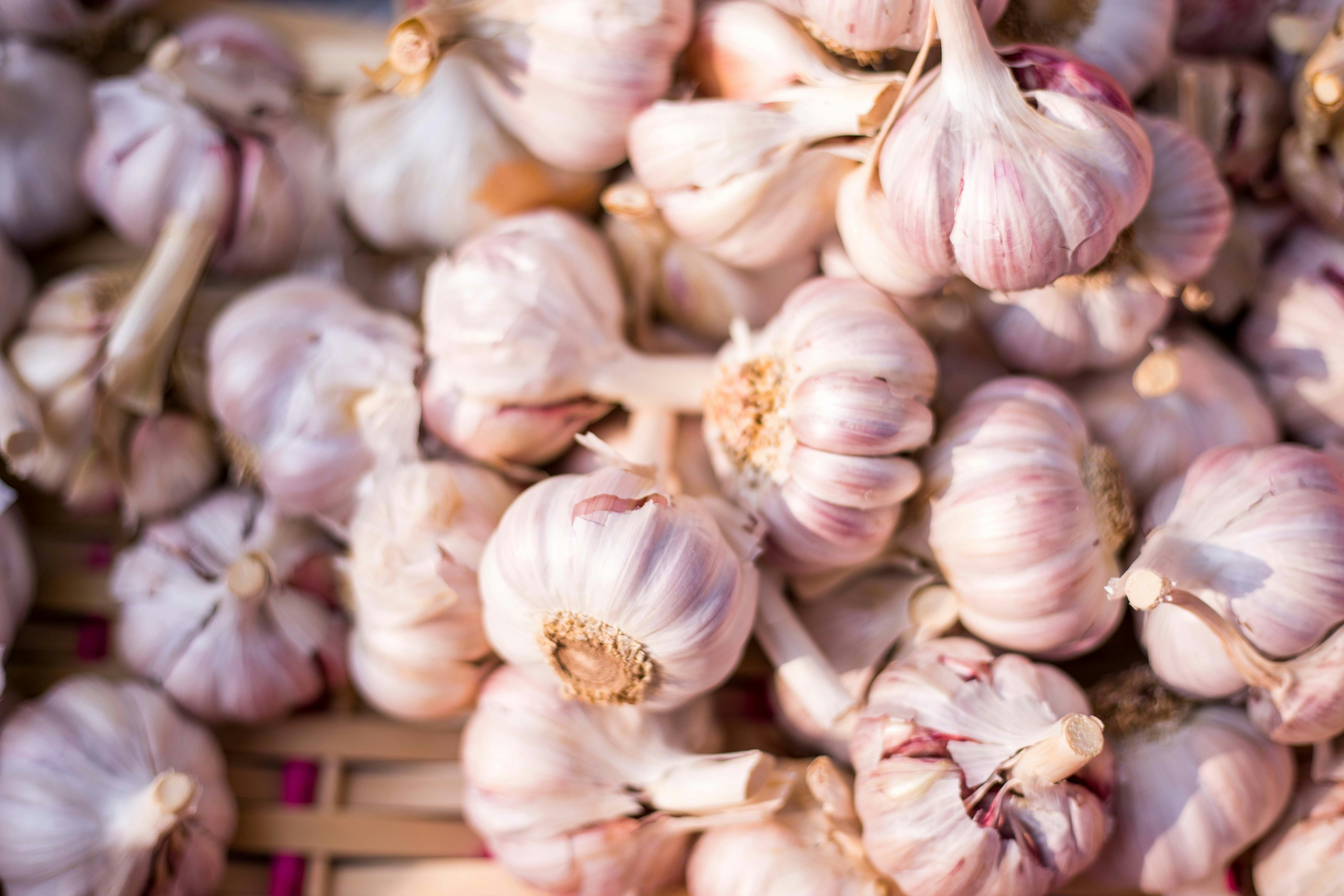
Garlic
Tiny (and tasty) clove with an oversized impact.
Garlic is one of the most fructan-dense foods in the Western diet, and the fructans are heat-stable. Roasting, frying, simmering; they all survive.
A 2014 randomised trial showed IBS symptoms fell sharply on a low-FODMAP diet versus a typical Australian one, with fructans (garlic chief among them) doing much of the heavy lifting.
The good news: fructans are water-soluble, not oil-soluble. A garlic-infused oil, with the cloves fished out, gives you the flavour without the load. Garlic chives and the green tops of spring onions also pass without complaint.
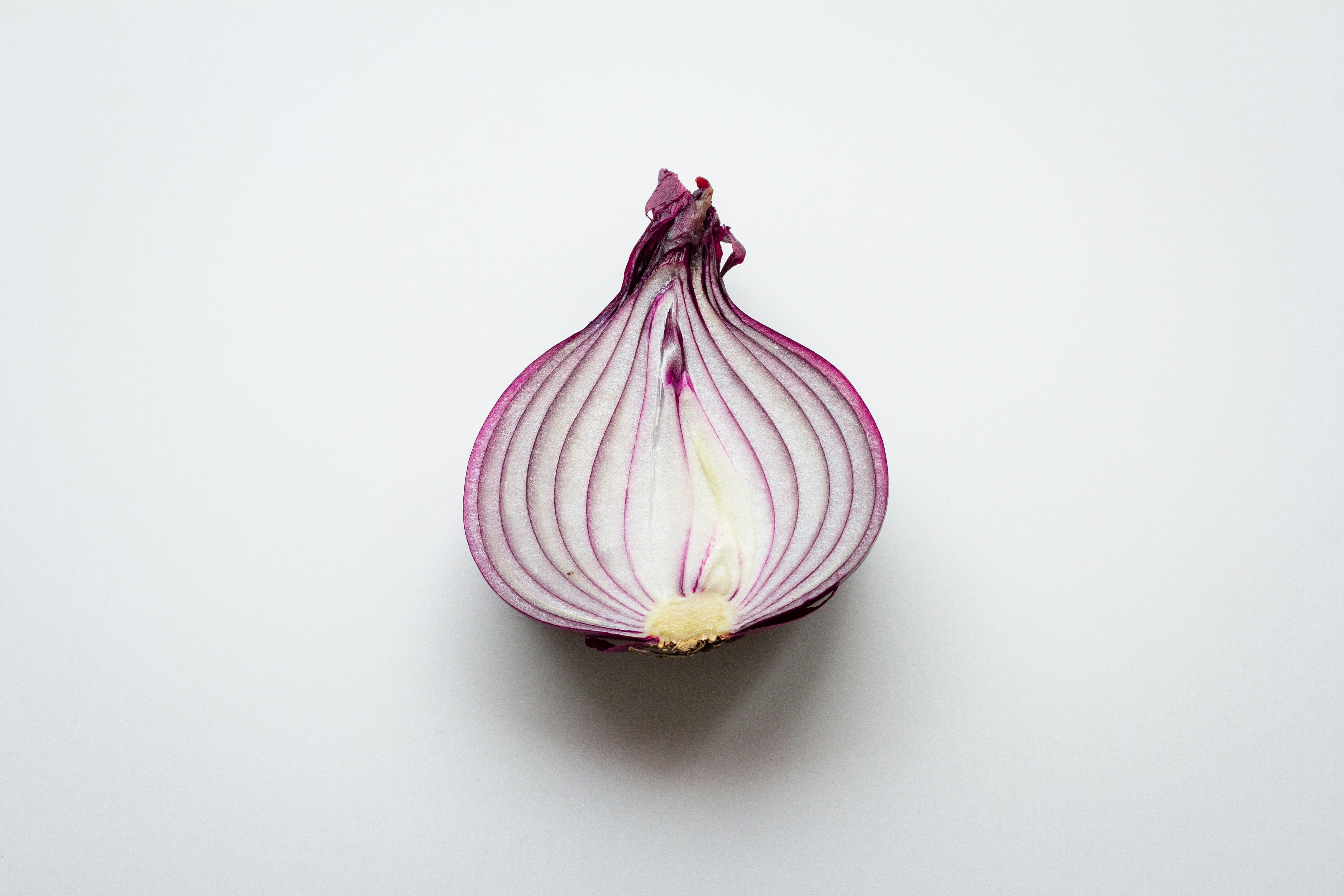
Onion (and shallots; leeks to a lesser degree)
If garlic is the star, onion is the supporting act that turns up everywhere. Stocks, soups, curries, stir-fries, the mirepoix at the bottom of every restaurant pan.
Shallots are essentially a small onion concentrate; they belong in the same column. Leeks are gentler, especially the green parts, but the bulb still bites if you are sensitive.
The same trial initially mentioned flagged onion alongside garlic as the most consistent triggers in IBS, and clinical experience has matched that ever since. Spring onion greens, chives and a small pinch of asafoetida (hing) carry the same savoury depth without the fructan dose.
Wheat-based products
Bread at breakfast. Pasta at lunch. A wrap, a couscous salad, a slice of cake at four. Each portion of wheat is modest in fructans. Stack them across a typical day and the dose climbs quietly.
A randomised trial showed IBS patients had significantly fewer symptoms on low-FODMAP rye bread than regular rye bread, despite identical gluten. The trigger, in most cases, is the fructan, not the gluten.
Sourdough (long-fermented) reduces the fructan content. Spelt, oats and rice noodles are usually well tolerated.
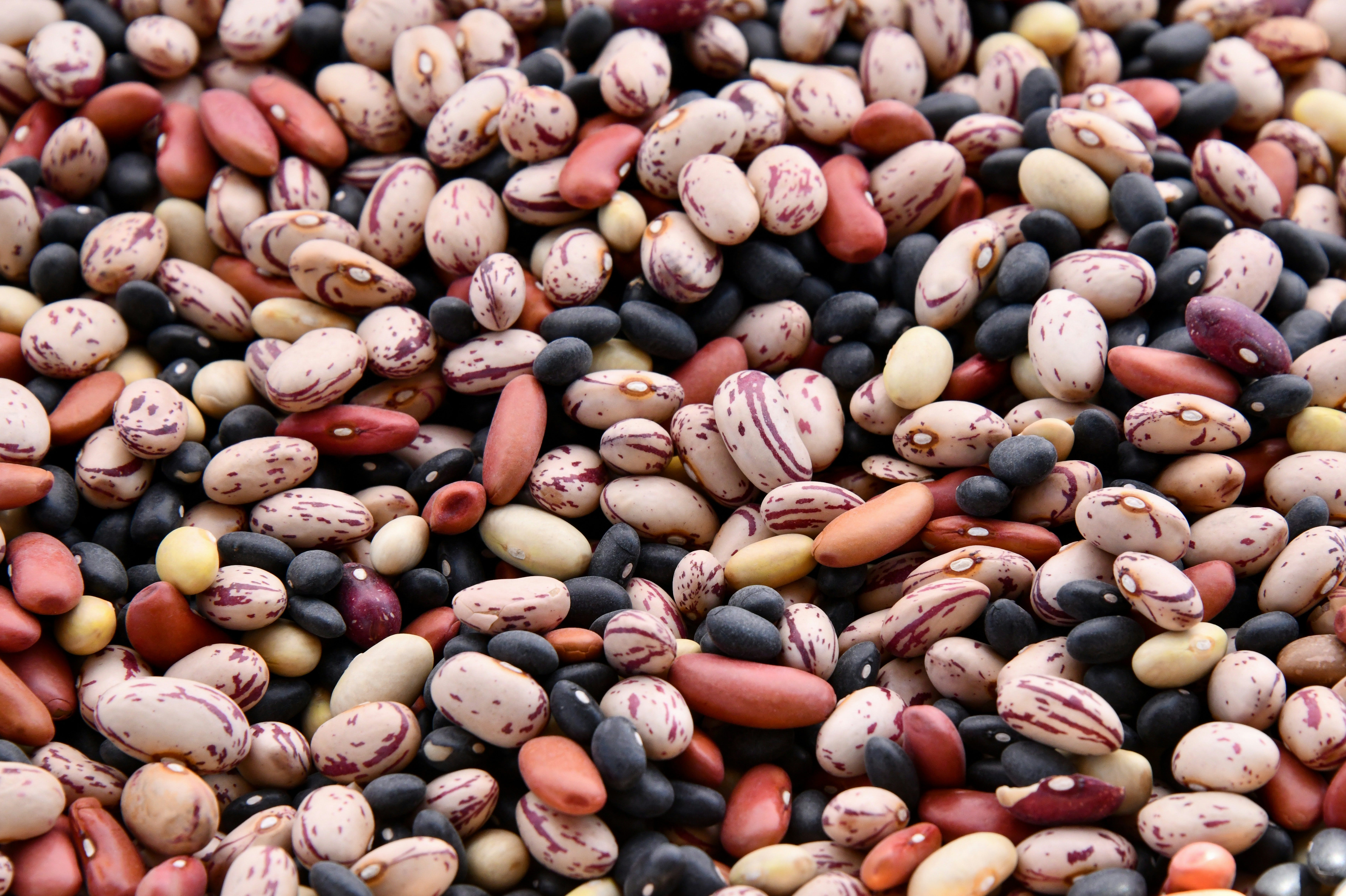
Legumes
Red kidney beans, baked beans, chickpeas, butter beans, lentils. Loaded with galacto-oligosaccharides (GOS): chains of sugars human enzymes simply cannot break down.
They reach your colon intact and your bacteria throw a party. Wonderful for the microbiome, less wonderful at a dinner meeting.
Tinned and rinsed legumes carry roughly half the GOS of dried-and-cooked, because much of it leaches into the water. Drained tinned lentils are often tolerated in small servings. Firm tofu (the GOS sits in the discarded liquid) is another quiet friend.
Milk and soft dairy
Lactose is the disaccharide. Lactase is the enzyme that splits it. Around 70% of the world’s adults have some reduction in lactase activity, and in IBS the threshold for symptoms is often lower still.
Cow’s milk, goat’s milk and the soft, fresh dairy that holds onto its whey (cottage cheese, ricotta, fresh paneer) are the usual offenders. Hard cheeses (cheddar, parmesan), butter and lactose-free milk are typically fine. Live yoghurts and kefir contain bacteria that pre-digest some of the lactose; many lactose-sensitive patients tolerate them in modest amounts.
Closing
Miss J came back six weeks later. Garlic and onion out, wheat continued (it didn’t flare her IBS), legumes rinsed, milk swapped for lactose-free.
The bloating had settled. The pain had lifted. She was eating, in her words, “a real diet, not a punishment.”
Five foods. Eighty percent of the benefit, twenty percent of the work.
If you would like to attempt the full low FODMAP diet, please do it with a registered dietitian trained in the protocol. I have written more about it HERE
Three phases: elimination, structured reintroduction, personalisation. Done well, it is one of the most effective dietary interventions we have. Done alone, it tends to leave people more anxious, more restricted, and no better off.
AND finally….if the above foods do NOT trigger IBS symptoms….please make sure you continue eating them! Remember, your diet should be as unrestricted as possible!
Struggling with liver or digestive issues that affect your daily life? Invest in your gut health with a private, personalised consultation where I will explore your specific symptoms and develop a targeted treatment plan. Take the first step toward digestive wellness today: https://bucksgastroenterology.co.uk/book-an-appointment/ (I offer both in person and video consultations!)
You can check out my full Substack here
References
Halmos EP, Power VA, Shepherd SJ, Gibson PR, Muir JG. A diet low in FODMAPs reduces symptoms of irritable bowel syndrome. Gastroenterology. 2014;146(1):67–75.
Böhn L, Störsrud S, Liljebo T, Collin L, Lindfors P, Törnblom H, Simrén M. Diet low in FODMAPs reduces symptoms of irritable bowel syndrome as well as traditional dietary advice: a randomized controlled trial. Gastroenterology. 2015;149(6):1399–1407.
Black CJ, Staudacher HM, Ford AC. Efficacy of a low FODMAP diet in irritable bowel syndrome: systematic review and network meta-analysis. Gut. 2022;71(6):1117–1126.
Laatikainen R, Koskenpato J, Hongisto SM, et al. Randomised clinical trial: low-FODMAP rye bread vs. regular rye bread to relieve the symptoms of irritable bowel syndrome. Aliment Pharmacol Ther. 2016;44(5):460–470.
Tuck CJ, Taylor KM, Gibson PR, Barrett JS, Muir JG. Increasing symptoms in irritable bowel syndrome with ingestion of galacto-oligosaccharides are mitigated by α-galactosidase treatment. Am J Gastroenterol. 2018;113(1):124–134.
Varjú P, Farkas N, Hegyi P, et al. Low FODMAP diet improves symptoms in adults suffering from irritable bowel syndrome compared to standard IBS diet: a meta-analysis of clinical studies. PLoS One. 2017;12(8):e0182942.
Misselwitz B, Butter M, Verbeke K, Fox MR. Update on lactose malabsorption and intolerance: pathogenesis, diagnosis and clinical management. Gut. 2019;68(11):2080–2091.
McKenzie YA, Bowyer RK, Leach H, et al. British Dietetic Association systematic review and evidence-based practice guidelines for the dietary management of irritable bowel syndrome in adults (2016 update). J Hum Nutr Diet. 2016;29(5):549–575.
General Disclaimer
Please note that the opinions expressed here are those of Dr Hussenbux and do not necessarily reflect the positions of Buckinghamshire Healthcare NHS Trust. The advice is intended as general and should not be interpreted as personal clinical advice. If you have problems, please tell your healthcare professional, who will be able to help you. Thank you to the amazing photographers from Unsplash where I get most of my images from.
I use Gourmend brand Garlic scape powder and green onion powder. It has made a big difference. I’m Italian so not being able to eat garlic and onions was so difficult. I can use these powders and they taste great. I have tried the garlic infused oil but these powders are more versatile.
I'm going to try the garlic infused oil! In my thirties, I have developed severe intolerance to raw garlic and any kind of onion, cooked maybe a bit less problematic, depending on the amount, but it can be a nightmare when eating out. I found some digestive enzyme pills that help somewhat, but it's not a perfect solution. I love their flavour, so I miss them a lot...