

You're having a gastroscopy: here is what you need to know
Your doctor just said something that made your stomach turn. Literally.

“We need to take a look inside with a camera.”
A tube. Down my mouth??
Chill! I got you….
Let me walk you through this, step by step, plainly, without the fuss.
I perform this procedure (almost) all weeks of my working life. And I can tell you, with complete confidence, that it is nowhere near as alarming as the mind insists on making it.
Here is what you need to know.
General disclaimer: This is a general guide! That goes without saying. If you have concerns about a gastroscopy (you may need one or you are concerned to have one) you need to speak directly with your healthcare professional.
You can check out my full Substack here
What is a gastroscopy?
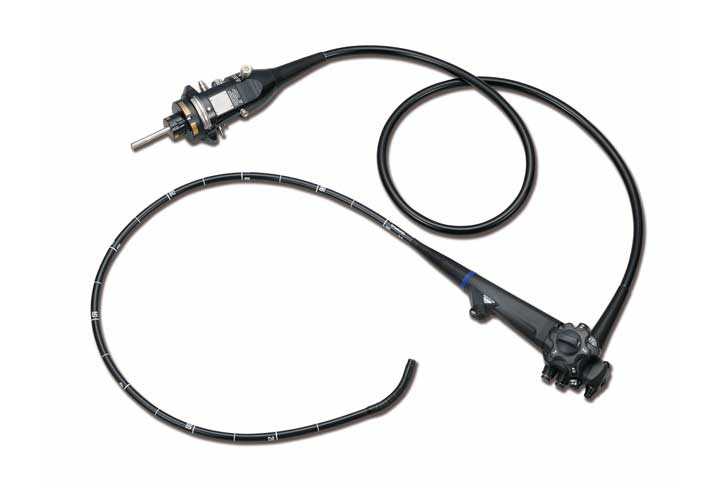
A gastroscopy is an examination of the upper part of your digestive tract: the oesophagus (the food pipe), the stomach, and the first part of the small bowel (the duodenum).
We use a long, flexible camera called a gastroscope.
You may also hear it called an OGD, short for oesophago-gastro-duodenoscopy
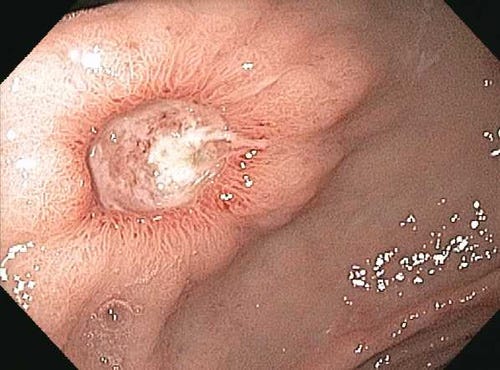
The scope is about as thin as your little finger. It carries a light and a tiny camera, sending live images to a screen beside you. We look for inflammation, ulcers, narrowing, bleeding, and any tissue that looks out of place.
Why might you need one?
There are a handful of common reasons your doctor refers you.
Each one needs a proper look.
Difficulty swallowing. Food that sticks, or a sensation of something catching on the way down. The oesophagus should move food without you ever noticing.
Persistent reflux. Heartburn now and then is ordinary life. Heartburn that lingers for weeks, or refuses to settle with treatment, needs a closer look.
Anaemia, or new iron deficiency. A low blood count, particularly low iron, can be a sign of slow bleeding from somewhere in the gut. Often the cause is harmless. But the stomach is not somewhere we guess.
Unintentional weight loss. Weight that falls away without you trying is a symptom we always take seriously.
A concerning finding on CT. Sometimes a scan picks up something in the upper gut that needs a definitive answer. A gastroscopy provides it.
Is it safe?
Yes…..the short answer is YES!
Diagnostic gastroscopy is one of the most commonly performed procedures in medicine, and one of the most closely studied.
Serious complications are rare.
Perforation, a small tear in the wall of the gut, occurs in roughly 1 in 5,000 diagnostic procedures. Significant bleeding is rarer still. The overall complication rate for a straightforward diagnostic gastroscopy sits at around 1 in 1,000, and most of those events are minor and self-limiting.
For context: you take a greater risk on the drive to the hospital.
Two practical notes.
If you take blood thinners (warfarin, a DOAC, clopidogrel, or similar), tell your gastroenterologist in advance. We will give you clear instructions on whether to pause them and when.
The same goes for diabetes. If you take insulin or other glucose-lowering medication, you’ll be fasting beforehand, so we’ll advise you exactly how to adjust your doses on the day. Never guess at this. Just ask, and we’ll guide you.
(Oh if you are taking Mounjaro or other weight loss drugs tell your Gastroenterologist…you will have to stop this before your gastroscopy…unless you want me to see a bunch of food in your stomach)
What actually happens?
You arrive fasted. An empty stomach gives me a clear view, so you’ll be asked not to eat for around six hours beforehand. You can usually take small sips of water until a couple of hours before.
Pre-assessment. You’ll meet the nursing team, sign a consent form, and talk through your options. Nothing happens before you understand it.
Your choice of comfort. This is where you have a say.
Throat spray numbs the back of the throat with a local anaesthetic. You stay fully awake, the procedure tends to be quicker, and you can drive yourself home and carry on with your day.
Conscious sedation (usually midazolam and fentanyl in combination) leaves you drowsy and deeply relaxed. Most patients remember very little of it. You’ll need a responsible adult to take you home.
I offer this at The Chiltern Hospital and The Royal Buckinghamshire Hospital.
Propofol sedation with an anaesthetist offers a deeper, smoother level of sedation, sometimes used for longer or more complex procedures. Recovery is quick and patient satisfaction is high. I offer propofol endoscopy at The Spire Thames Valley Hospital. To book a consultation click here.
All three are safe. All three are well established. There is no single best. Only what’s right for you.
The procedure itself. You’ll lie on your left side. A small plastic mouthguard protects your teeth and keeps the mouth gently open. The gastroscope passes through the mouth and down the oesophagus. There may be a brief gag as it goes past the throat. After that, most people settle.
It usually takes ten-fifteen minutes. We pass air to open the folds of the stomach, examine the lining carefully, and photograph anything worth documenting. You may feel some bloating or burping. That’s the air, and it’s entirely normal. Discomfort may occur but pain is NOT expected.
Biopsies: a normal part of the visit
During the procedure we may take biopsies: tiny samples of the lining, smaller than a grain of rice.
You won’t feel them. The lining of the stomach has no pain sensors in the way your skin does. Biopsies help us test for things the eye alone can’t confirm: Helicobacter pylori (a common bacterium linked to ulcers), coeliac disease, inflammation, or changes in the cells that we’d rather catch early than late.
After: tea and biscuits
Once it’s done, you’ll move to a quiet recovery area.
Tea. Biscuits. And breathe!
If you had throat spray only, you’ll need to wait an hour or so before eating or drinking, until the numbness fades and your swallow returns. If you were sedated, the drugs take an hour or two to clear, so no driving, no alcohol, and no important decisions for the rest of the day. A responsible adult should take you home.
The endoscopist/I will usually give you a verbal summary before you leave, so you won’t walk out wondering. If biopsies were taken, those results follow within a couple of weeks.
One final thought
Most patients tell me the same thing afterwards.
It was nothing like I expected or even I remembered nothing (if they had sedation)
The dread beforehand is almost always heavier than the procedure itself. Almost always.
A gastroscopy is not a day at the seaside.
No one pretends it is. But it is brief, it is safe, and it answers questions that guesswork never could.
Struggling with liver or digestive issues that affect your daily life? Invest in your gut health with a private, personalised consultation where I will explore your specific symptoms and develop a targeted treatment plan. Take the first step toward digestive wellness today: https://bucksgastroenterology.co.uk/book-an-appointment/ (I offer both in person and video consultations!)
You can check out my full Substack here
References
ASGE Standards of Practice Committee. Adverse events of upper GI endoscopy. Gastrointest Endosc. 2012;76(4):707–718.
Kim SY, et al. Clinical outcomes of iatrogenic upper gastrointestinal endoscopic perforation: a 10-year study. BMC Gastroenterol. 2019;19:218.
Ben-Menachem T, et al. Adverse events of upper GI endoscopy (ASGE Guideline). Gastrointest Endosc. 2012;76:707–718.
Early DS, et al. Guidelines for sedation and anesthesia in GI endoscopy. Gastrointest Endosc. 2018;87(2):327–337.
Malfertheiner P, et al. Management of Helicobacter pylori infection: the Maastricht VI/Florence Consensus Report. Gut. 2022;71:1724–1762.
General Disclaimer
Please note that the opinions expressed here are those of Dr Hussenbux and do not necessarily reflect the positions of Buckinghamshire Healthcare NHS Trust. The advice is intended as general and should not be interpreted as personal clinical advice. If you have problems, please tell your healthcare professional, who will be able to help you. Thank you to the amazing photographers from Unsplash where I get most of my images from.
This sounds very comforting, but unfortunately not my experience - had the sedation but still managed to fight it apparently (no memory of it at all) - they told me afterwards to request double next time as I had to stay longer because there had been bleeding. I have one in August at a different hospital so I’m dreading it - they will of course ignore me and my previous experience as they have done with another procedure 🫣
Have you had one yourself? I’ve been having them regularly for 26 years. I have a strong gag reflex and, if not given enough sedation, it is a very unpleasant experience. You say a ‘tiny’ tube the size of a little finger. It may be that but it feels like a hosepipe. I continue to dread them.