

I recommend flavonoids....here is why
An apple a day keeps the Gastroenterologist away!

Flavo-what??
Stick with me here!!
My approach to gut health is simple.
I think about food like medicine.
And your gut? It loves flavonoids. Here is why.
Flavo-what, exactly?
Flavonoids are a family of polyphenols.
Natural compounds that plants make to survive sunlight, pests and stress. Thousands exist. The name comes from the Latin flavus…meaning yellow. Though plenty are red, blue or purple.
Five subclasses matter most:
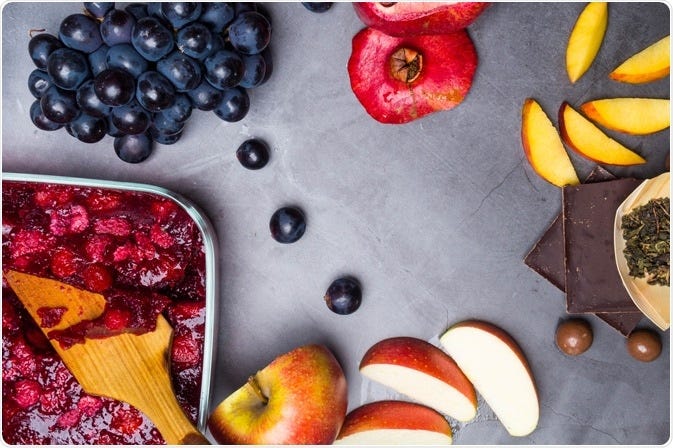
Anthocyanins - the blues and purples. Berries. Red cabbage. Red onion.
Flavanols - catechins, epicatechins, and the famous EGCG. Cocoa and tea.
Flavanones - hesperetin and naringenin. The citrus signature.
Flavonols - quercetin, mostly. Onions and apples.
Don’t memorise them. Just eat the rainbow.
Gut benefits?
We absorb only a fraction of the flavonoids we swallow.
The rest travels down to the colon. And there, our gut bacteria feast.
This is flavonoids behaving like prebiotics. Food for your microbes.
An RCT gave healthy volunteers a high-cocoa-flavanol drink for four weeks. Their beneficial bifidobacteria and lactobacilli climbed. Their less welcome clostridia fell. Inflammatory markers in the blood dropped too.
Another RCT? Six weeks of a wild blueberry drink. Bifidobacteria up again.
And in the MaPLE trial, older adults ate a polyphenol-rich diet for eight weeks. Butyrate-producing bacteria increased. Butyrate is the short-chain fatty acid that fuels your colon cells and calms inflammation.
That same trial showed a fall in zonulin…a marker of a leaky gut barrier. The barrier grew stronger!!
Improve your gut microbiome and you improve your overall gut health!
You can check out my full Substack here
Beyond the gut
A cohort of 56,048 Danish adults, followed for 23 years, found that moderate flavonoid intake meant lower risk of dying. From anything.
From heart disease and cancer specifically. The protection plateaued around 500mg a day.
The heart loves them. The COSMOS trial randomised 21,442 older adults to a daily 500mg cocoa-flavanol supplement or placebo. Cardiovascular death fell by 27%. Honest footnote: that was a secondary endpoint. The headline outcome fell 10% but missed significance. I’d rather tell you than oversell it.
A meta-analysis of flavanol trials? Lower blood pressure. Better blood-vessel function. Biggest effect in those who started highest.
Berries earn their place. In 93,600 women followed for 18 years, the highest anthocyanin intake meant 32% fewer heart attacks.
The brain too. Among 121,986 UK Biobank adults, flavonoid-rich foods - tea, berries for example - were linked to 28% less dementia. Strongest in those at highest genetic risk.
The foods I’d reach for
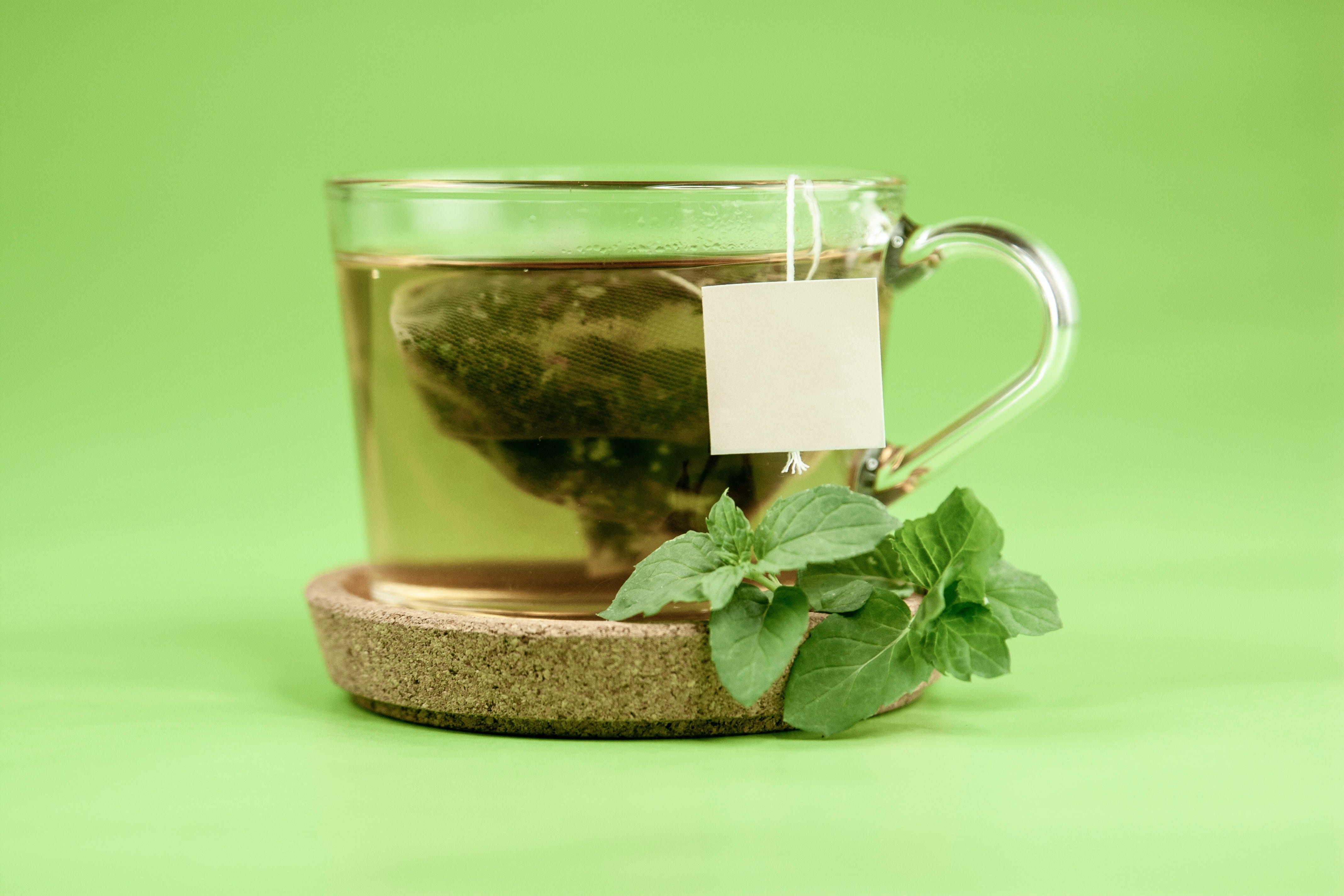
Berries. Blueberries. Blackberries. Elderberries. Anthocyanin gold… those are the pigments behind the deep blue and purple. Frozen count as much as fresh, by the way. The freezing locks the flavonoids in. So the cheap bag in the freezer aisle is doing real work. A handful daily. Tip them into yoghurt or oats and you’ve stacked a prebiotic on a probiotic.
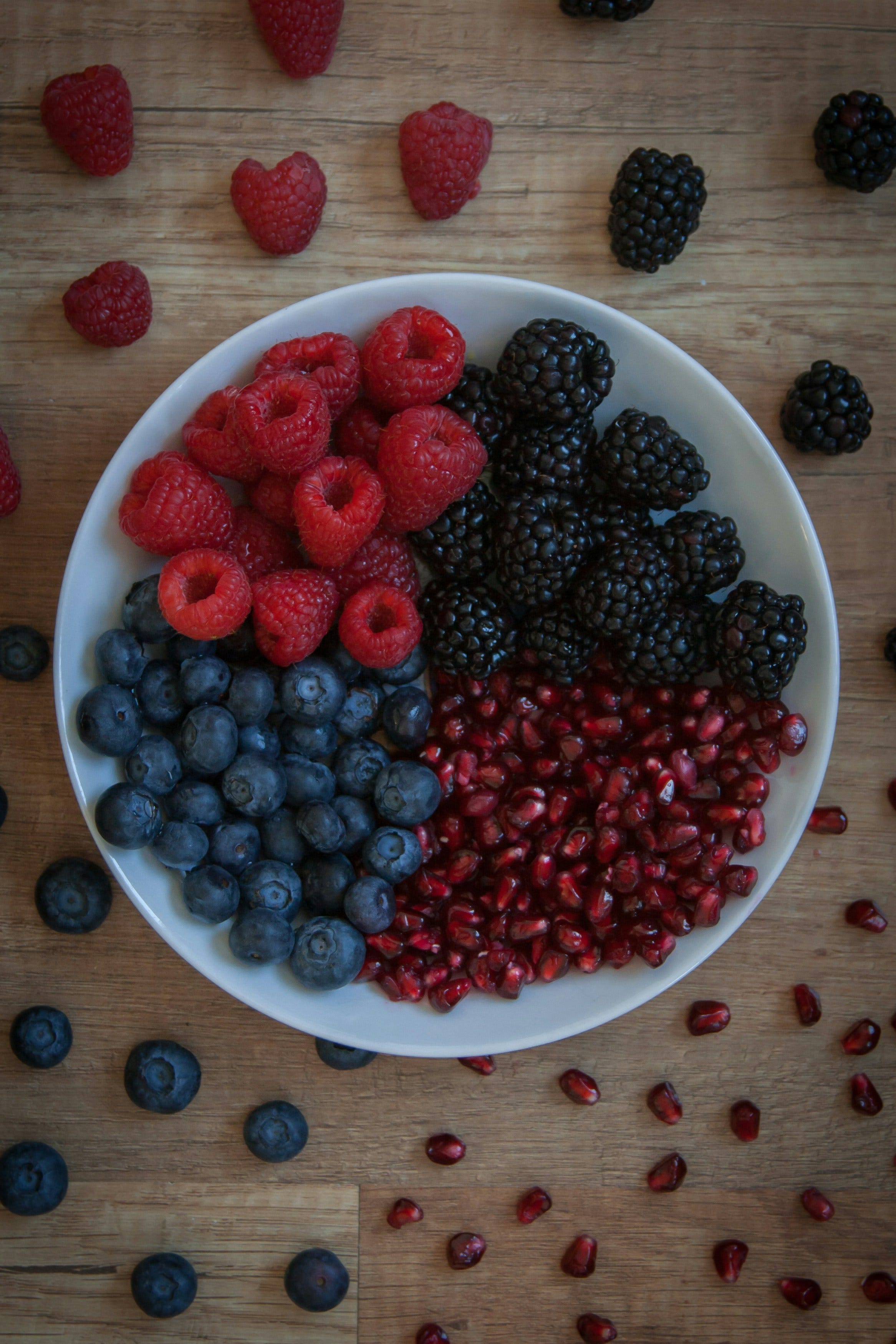
Dark chocolate. Seventy/eighty percent and above. The flavanols are the point - they nudge up nitric oxide, which relaxes blood vessels and improves flow. Milk chocolate? Mostly sugar and a whisper of cocoa. Doesn’t count. Sorry. One or two small squares. This is the one prescription nobody argues with.
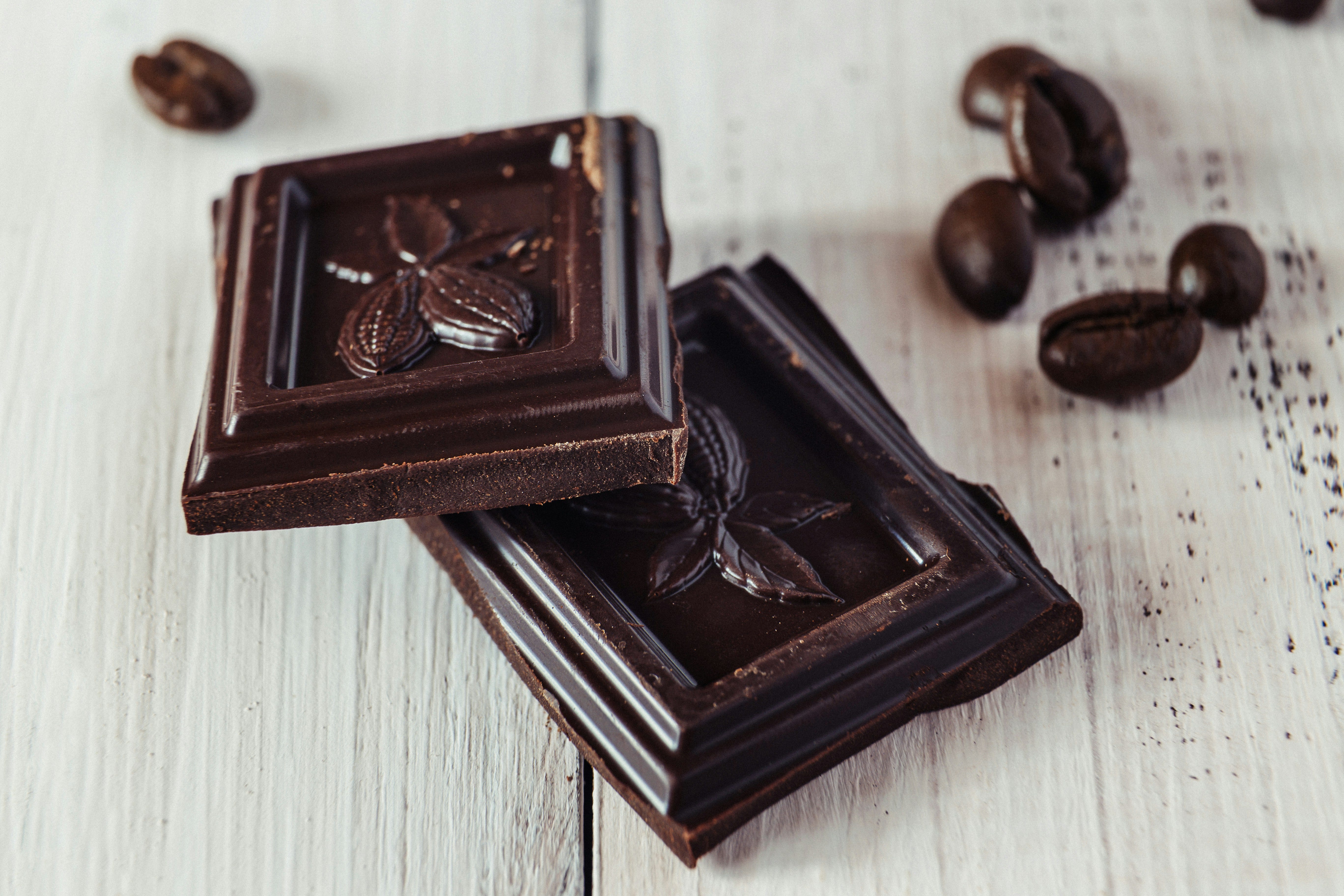
Green and black tea. Catechins and EGCG. A cup or two a day. The easiest win on this list - no shopping, no chopping, just a kettle. Green tea is richest, but black still delivers. Skip the long-life cartons; brewed is where the flavanols live.
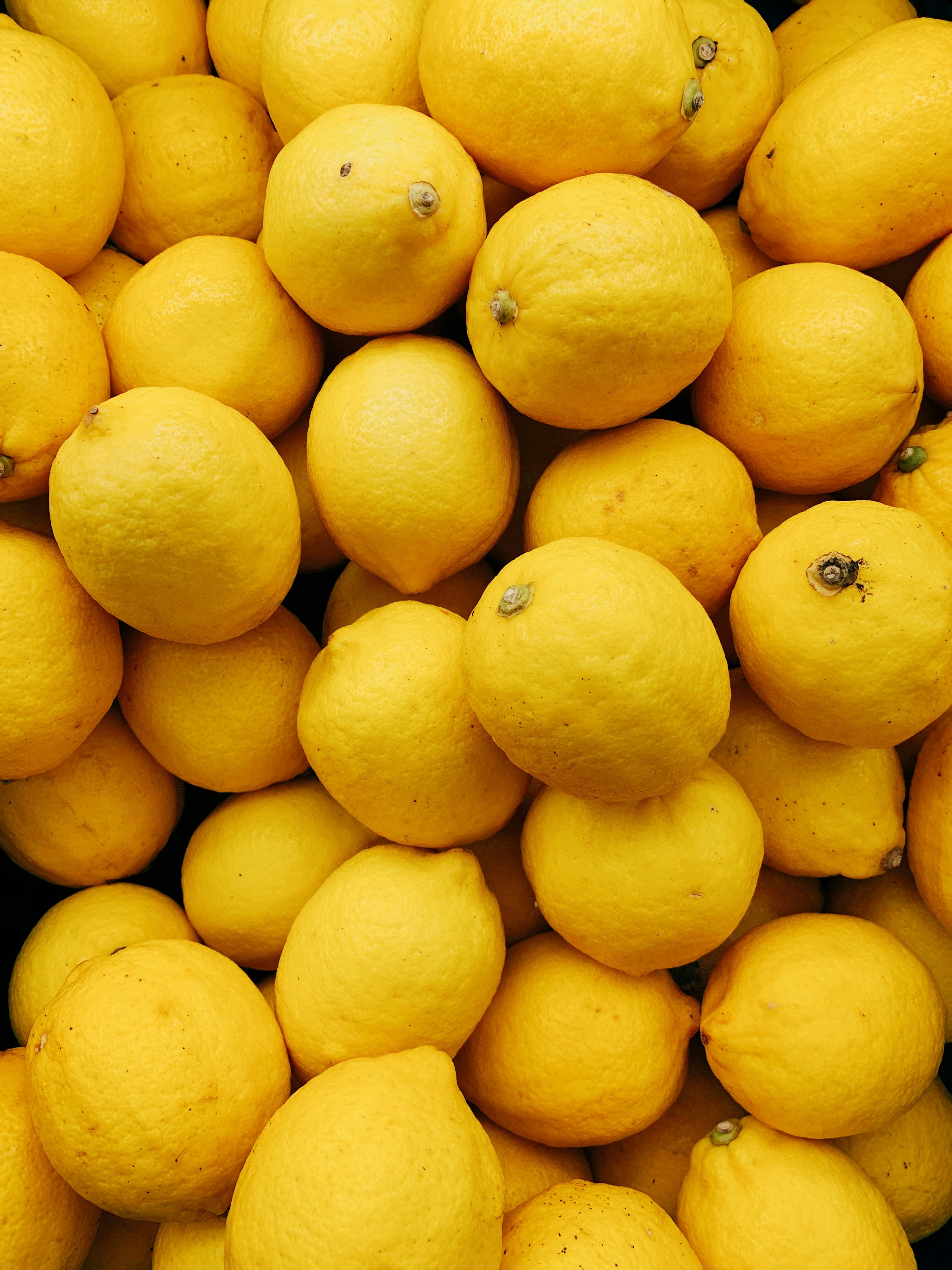
Citrus. Oranges. Grapefruit. Lemons. The flavanones ( hesperetin and naringenin if you’re interested) sit mostly in the flesh and the pith. So eat the segments rather than juicing them, and you keep the fibre too. In a randomised crossover study, hesperidin-rich orange juice improved blood-vessel function in healthy men. One caution: grapefruit interferes with several common medications (statins, some blood-pressure drugs). Check with your doctor if that’s you.
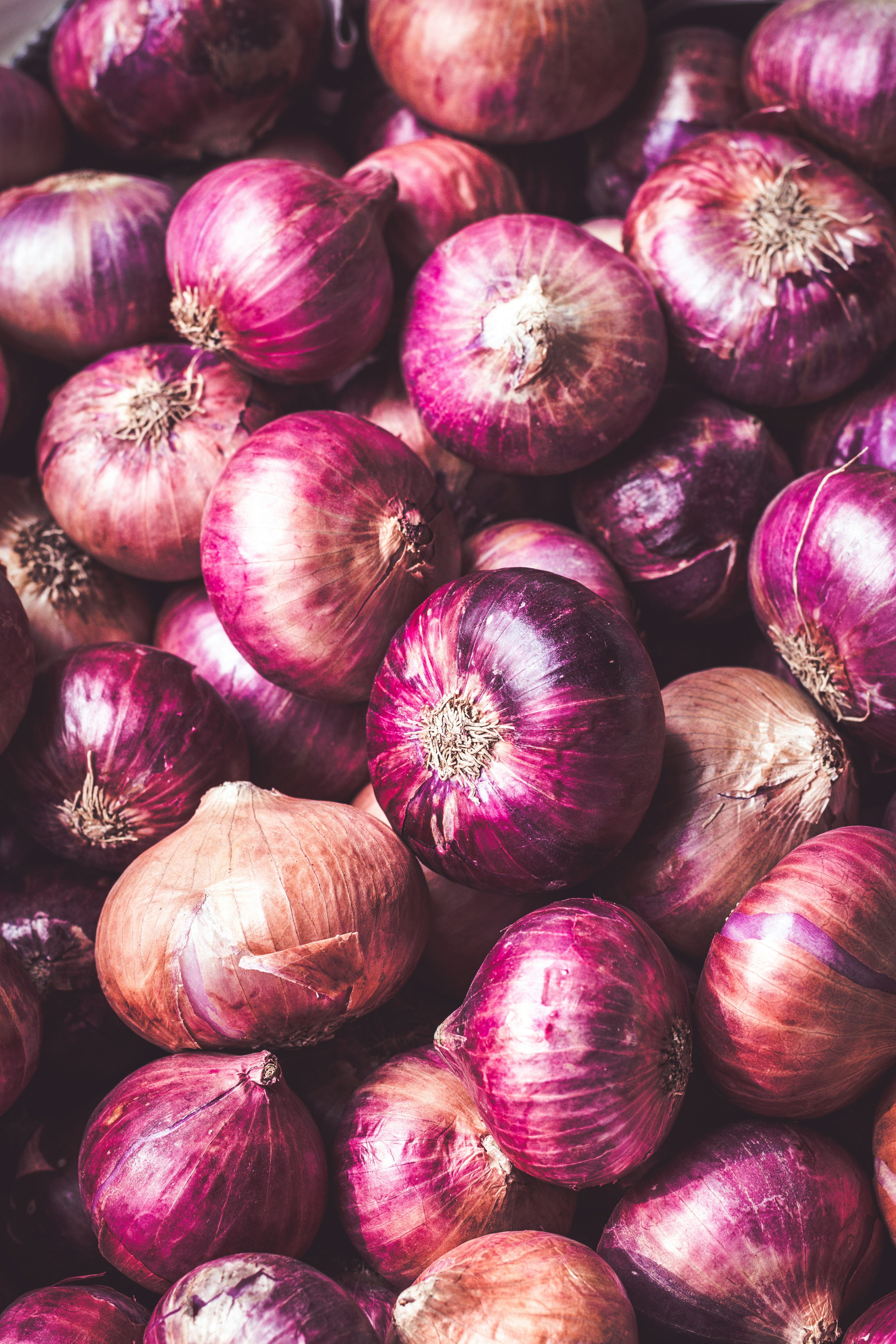
Onions, especially red. Quercetin’s finest source - and the red skins hold the most. A gentle cook keeps more of it than a hard fry. Warning: onions are high FODMAP (the fructans). For sensitive guts and IBS, even a little can bloat. If that’s you, lean on the others. Or use the green tops of spring onions and chives instead - same flavour, far fewer fructans.
How much? And how to start?
The number to remember is 500mg of total flavonoids a day. The point where the benefit levelled off.
Sounds clinical. It isn’t. One cup of tea. One apple. One orange. A handful of blueberries. Some broccoli. You’re there.
That’s the prescription.
A word of caution, learned from a career spent looking inside guts.
Start gently.
Flood your system overnight with berries, cocoa and onions and your microbiome (and your waistband) may not thank you. Add one food. Make it routine. Then add another.
Variety is best! So a rainbow beats one lonely superfood.
Start with the blueberries tomorrow morning. The rest will follow.
Struggling with liver or digestive issues that affect your daily life? Invest in your gut health with a private, personalised consultation where I will explore your specific symptoms and develop a targeted treatment plan. Take the first step toward digestive wellness today: https://bucksgastroenterology.co.uk/book-an-appointment/ (I offer both in person and video consultations!)
You can check out my full Substack here
References
Bondonno NP, Dalgaard F, Kyrø C, et al. Flavonoid intake is associated with lower mortality in the Danish Diet, Cancer, and Health Cohort. Nat Commun. 2019;10:3651.
Tzounis X, Rodriguez-Mateos A, Vulevic J, Gibson GR, Kwik-Uribe C, Spencer JPE. Prebiotic evaluation of cocoa-derived flavanols in healthy humans: a randomized, controlled, double-blind, crossover intervention study. Am J Clin Nutr. 2011;93(1):62–72.
Vendrame S, Guglielmetti S, Riso P, Arioli S, Klimis-Zacas D, Porrini M. Six-week consumption of a wild blueberry powder drink increases bifidobacteria in the human gut. J Agric Food Chem. 2011;59(24):12815–12820.
Del Bo’ C, Bernardi S, Cherubini A, et al. A polyphenol-rich dietary pattern improves intestinal permeability, evaluated as serum zonulin levels, in older subjects: the MaPLE randomised controlled trial. Clin Nutr. 2021;40(5):3006–3018.
Sesso HD, Manson JE, Aragaki AK, et al. Effect of cocoa flavanol supplementation for the prevention of cardiovascular disease events: the COSMOS randomized clinical trial. Am J Clin Nutr. 2022;115(6):1490–1500.
Cassidy A, Mukamal KJ, Liu L, Franz M, Eliassen AH, Rimm EB. High anthocyanin intake is associated with a reduced risk of myocardial infarction in young and middle-aged women. Circulation. 2013;127(2):188–196.
Jennings A, Thompson AS, Tresserra-Rimbau A, et al. Flavonoid-rich foods, dementia risk, and interactions with genetic risk, hypertension, and depression. JAMA Netw Open. 2024;7(9):e2434136.
Morand C, Dubray C, Milenkovic D, et al. Hesperidin contributes to the vascular protective effects of orange juice: a randomized crossover study in healthy volunteers. Am J Clin Nutr. 2011;93(1):73–80.
General Disclaimer
Please note that the opinions expressed here are those of Dr Hussenbux and do not necessarily reflect the positions of Buckinghamshire Healthcare NHS Trust. The advice is intended as general and should not be interpreted as personal clinical advice. If you have problems, please tell your healthcare professional, who will be able to help you. Thank you to the amazing photographers from Unsplash where I get most of my images from.
So many good recommendations! Thank you from the bottom of my gut! 🙏
Very good info!